Blog
News
September in the Garden: Celebrate and renew.
Peat- Free Expert Kate Turner aka The Garden Guru shares gardening tips for September…
Updates from Avalon Farm
May is the month the garden stops hinting and starts delivering. The last frost dates are almost finished for most of us, the soil is warming up and there’s a glorious sense of opportunity in the air—to plant, to sow, to try things. But it’s also a month that rewards a little preparation. Get the foundations right now and you’ll be reaping the rewards well into autumn.
If you’ve been thinking about trying no dig growing but haven’t quite taken the leap, May is a brilliant time to start and the most important thing I’d say to a beginner is this: start small. A single raised bed or even a modest patch of ground is all you need to get a feel for it. You don’t have to overhaul your entire garden overnight.
The principle is simple. Instead of digging over your soil and disturbing all the microbial life beneath the surface, you build on top of it. Lay cardboard directly onto the ground to start supressing weeds, wet it thoroughly first to help with shaping and decomposing before you add your organic matter.
On top of the cardboard, add a generous layer of a mulch such as Durstons Soil Conditioner. It’s rich in organic matter, improves soil structure from the very first season and gives your plants exactly the growing environment they need. I used it recently in a small no dig bed project – you can watch exactly how I did it over on the Durstons YouTube channel. Durstons Farmyard Manure is another great option for building that deep, nourishing layer your no dig bed depends on.
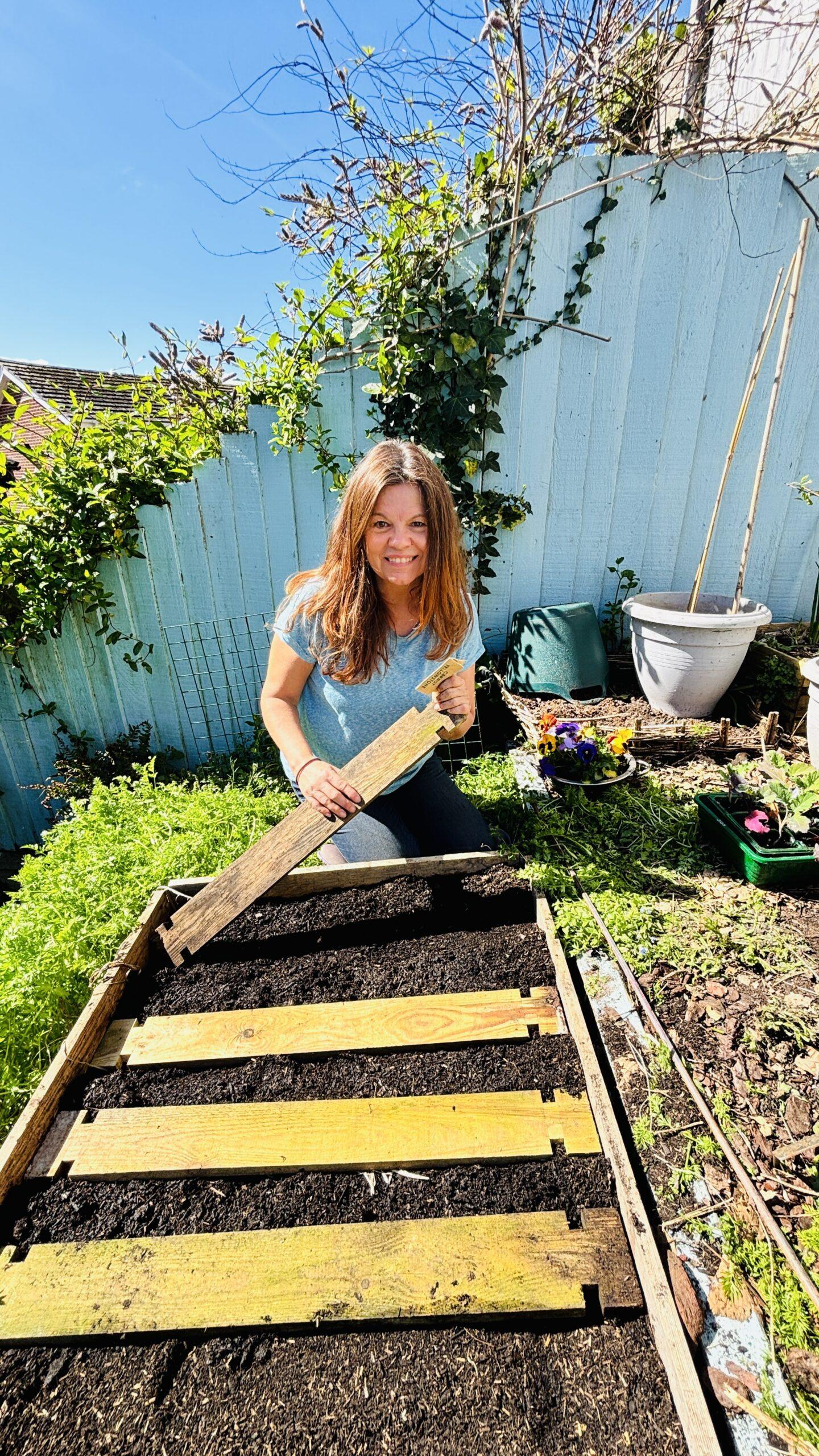
Once your bed is built, you can plant straight into it. Courgettes, squash, brassica transplants and climbing beans all do wonderfully in a first-year no dig bed. The soil life does the work for you — you just have to trust the process.
One of my favourite things to do in May is head to the garden centre with a project in mind. This year, the project is a pollinator-friendly container. It’s one of the most satisfying things you can put together, and the good news is that garden centres right now are full of exactly what you need.
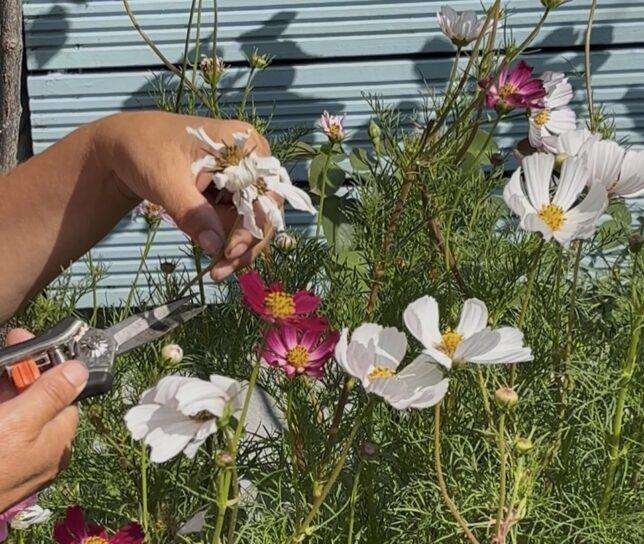
Look for cosmos in soft pinks and whites — they’re light, airy and absolutely beloved by bees and hoverflies. Add scabious for its pincushion flowers, which are nectar-rich and long-flowering. Foxgloves bring height and drama and are a magnet for bumblebees in particular — they’re one of those plants that make you stop and watch. Finally, tuck in a ornamental grass for texture; grasses add movement, soften the whole arrangement and create tiny, sheltered spaces that benefit all kinds of insects.
For the compost, use Durstons Peat Free Multi-Purpose Compost. It holds moisture well through the warmer months, provides steady nutrition for a full season of flowering and as always is entirely peat free. Position your container somewhere sunny, water regularly and watch it come alive.
A container like this doesn’t just look beautiful. It works hard for the garden ecosystem around it too.
May is one of the best months for direct sowing — the soil temperature is finally where it needs to be, often moist and germination rates are much more reliable than in those optimistic but chilly April days.
Good candidates for direct sowing in May include:
Early May
Mid to late May:
For all of these, a good peat free seed compost makes a real difference in those early weeks. Add a layer on top of your sown seeds of Durstons Peat Free Seed & Cutting Compost, it has the fine, light texture that seeds need to push through easily, without the richness that can actually hinder germination.
If slugs and snails are an issue, then I’d keep sowing in pots for now, using seed & cutting compost and transplant out when they are a bit bigger and stronger.
Hardening Off
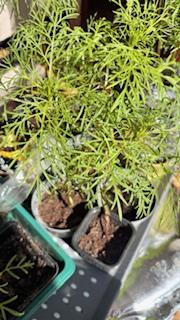
If like me you’ve had windowsills bursting at the seams with ever growing seedlings, don’t forget they need to be hardened off first. This simply means getting them acclimatised to be outside in the wind, sunshine and cooler air temperatures. Hardening off thickens the cell tissues enabling the plant to cope with the outside conditions, so the last thing you want is to move your plants from a protected environment to planting outside as soon as its sunny!
Take it slowly, the process takes about 10-14 days, and you take the plants outside during the day, then bring them back in at night. (don’t forget them like I did!) Eventually they will be ready for their permanent home.
I know, I know – it’s not the most glamorous gardening topic. But if you don’t have a water butt yet and you’re serious about your garden, May is the month to sort it. Summer dry spells in the UK are becoming more common and more prolonged and having a reserve of collected rainwater can be the difference between a thriving garden and one that’s constantly playing catch-up, especially for those acidic loving plants like acers, camellias and blueberries.
Connecting a butt to a downpipe is usually a straightforward afternoon job, and once it’s done, you’ll wonder how you managed without it.
If you already have one, now’s a good moment to check it’s clean, the lid is secure to keep out light and mosquitoes, and that the tap is in good working order before the dry months arrive.
Get Garden Ready!
Start that no dig bed even a small one. Buy the right compost. Build a container that works for wildlife. Sow something directly into the ground and feel the satisfaction of soil between your fingers. And connect that water butt. Do those things in May and you’re setting yourself up for the best growing season yet.
Kate
Peat- Free Expert Kate Turner aka The Garden Guru shares gardening tips for September…
Peat- Free Expert Kate Turner aka The Garden Guru shares gardening tips for June…
Peat- Free Expert Kate Turner aka The Garden Guru shares gardening tips for June…