Blog
News
The June Garden and what to do.
Peat- Free Expert Kate Turner aka The Garden Guru shares gardening tips for June…
Updates from Avalon Farm
April is the month gardeners live for. The soil is warming, the days are lengthening and suddenly everything feels possible. Whether you’re nurturing seedlings on a windowsill or heading outside to prep your beds, getting the foundations right now will pay dividends all season long.
April is prime time for sowing half-hardy annuals, those amazing annuals that not only bring us colour but bring in the pollinators— cosmos, zinnias, marigolds and sweet peas are all crying out to get started if you haven’t already. For seed sowing, a fine, low-nutrient compost is essential; too rich and you’ll get leggy seedlings that struggle later. Durstons Peat Free Seed & Cutting Compost gives seeds exactly what they need — a light, well-draining structure that encourages strong root development without overwhelming young plants.
Once your seedlings have their first true leaves and are ready to pot on, switch to Durstons Peat Free Multi Purpose Compost. It holds moisture well, feeds young plants as they establish, and — crucially — is entirely peat free, so you’re growing beautiful flowers without costing the planet’s precious peatlands.
Dahlias can be started from tubers indoors now too, don’t plant them straight outside yet as frosts will turn them too mush!
April is also the moment to get summer bulbs such as lilies and gladioli in the ground. Plant lily bulbs now in deep containers or borders, pointed end up, at roughly three times the bulb’s own depth. Gladioli can go in from mid-April — stagger your planting every two weeks for a succession of blooms right through summer. Both will thrive with Durstons Multi Purpose mixed into your planting hole for that extra boost.
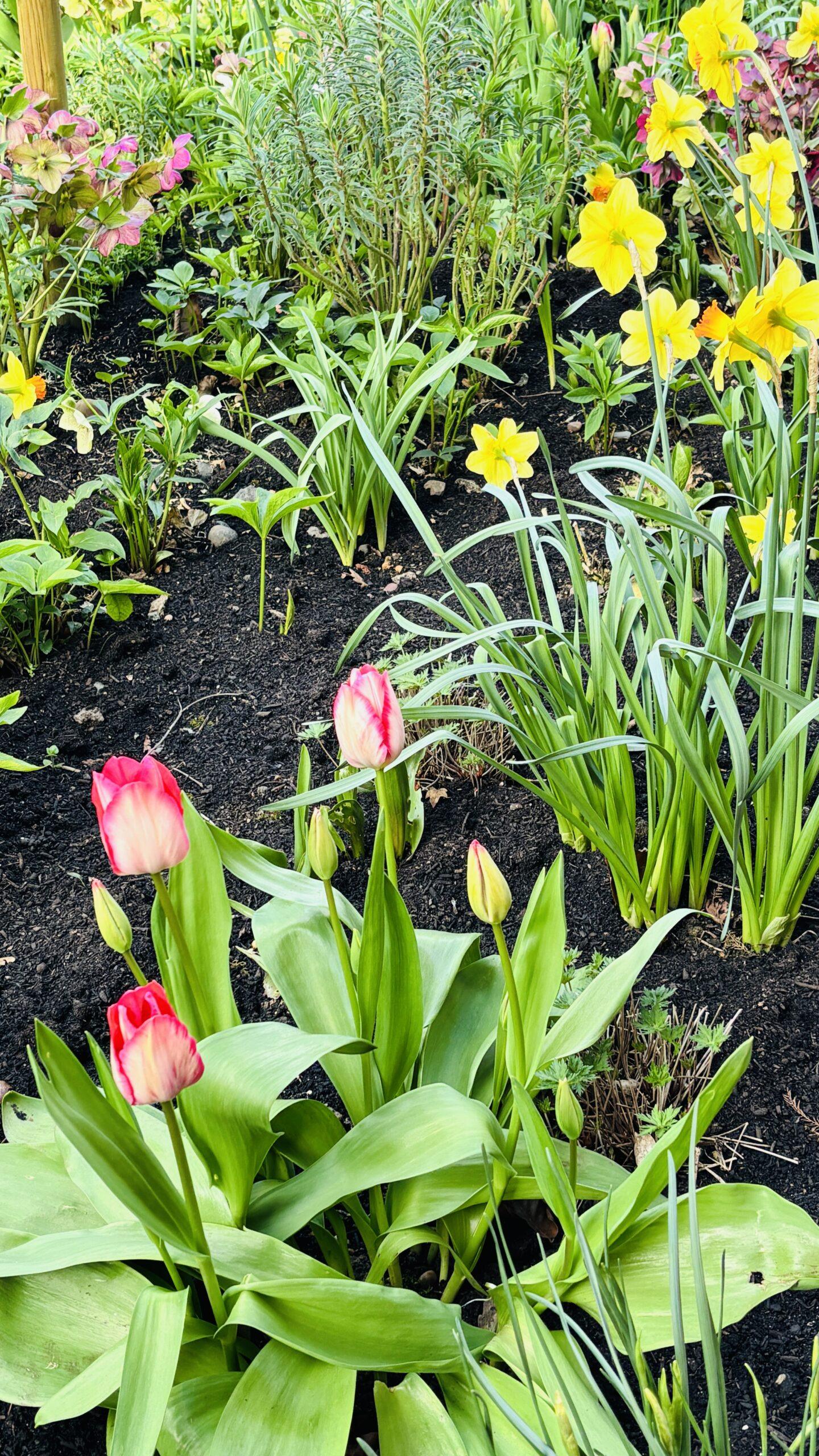
While you’re thinking about what’s going in, spare a thought for what’s just finishing. Daffodils and other spring bulbs have worked hard — now they need a little care in return. Dead head spent flowers straight away but leave the foliage completely alone for at least six weeks. Those leaves are busy photosynthesising and sending energy back down into the bulb for next year’s display. Cut them too soon and you’ll have a disappointing spring in 2027. Feed now with a phosphorous-rich fertiliser , the P in NPK,— phosphorous supports root development, helping the bulb rebuild its strength underground ready to perform again next year. Five minutes now saves a lot of disappointment next March.
Before a single seed or plug goes into your veg patch, take time to properly prepare the ground — it’s the single most important thing you can do. Dig in plenty of organic matter such as Durstons Peat Free Soil Conditioner to open up compacted soil, improve drainage and introduce the organic matter that hungry vegetables absolutely depend on. Think of it as feeding your soil so your soil can feed your plants.
Direct sow hardy crops like beetroot, chard and salad leaves straight into prepared beds. For tender crops — courgettes, squash, French beans — sow under cover now using a peat free seed compost and keep them warm until the risk of frost has passed, usually late May in most parts of the UK.
Bought plug plants are a brilliant shortcut if time is short. Pot them on immediately into Durstons Peat Free Multi Purpose rather than leaving them crammed in their original trays — roots need room to run.
Carrots have a reputation for being tricky, but get the conditions right and they’re surprisingly straightforward. The secret is in the moisture.
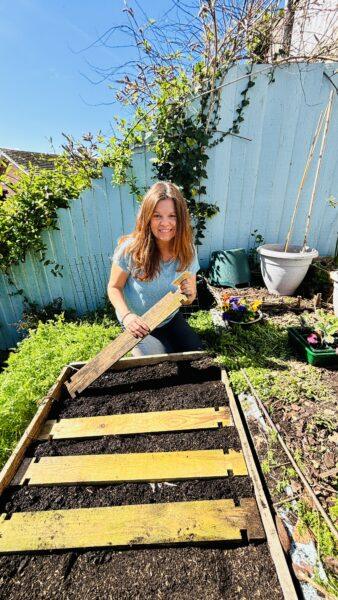
Sow carrots in a slightly raised bed where you have control over what they’re growing in. Fill it with a good peat free compost but not manure— light, fine and stone-free, exactly what carrots need to push straight down without forking or obstruction.
Sow thinly in shallow drills about 1cm deep, I always water the rows first to stop the tiny seed from washing away. Then here’s the hack: lay a board directly over each row. Carrots need consistent moisture to germinate, and the boards lock it in beautifully. Check underneath every few days and remove them as soon as you see the first shoots appear — usually around 10 – 14 days. It’s simple, it costs nothing, and it works.
(Want to see exactly how I do this? Check out my recent Instagram reel for the full visual walkthrough.)
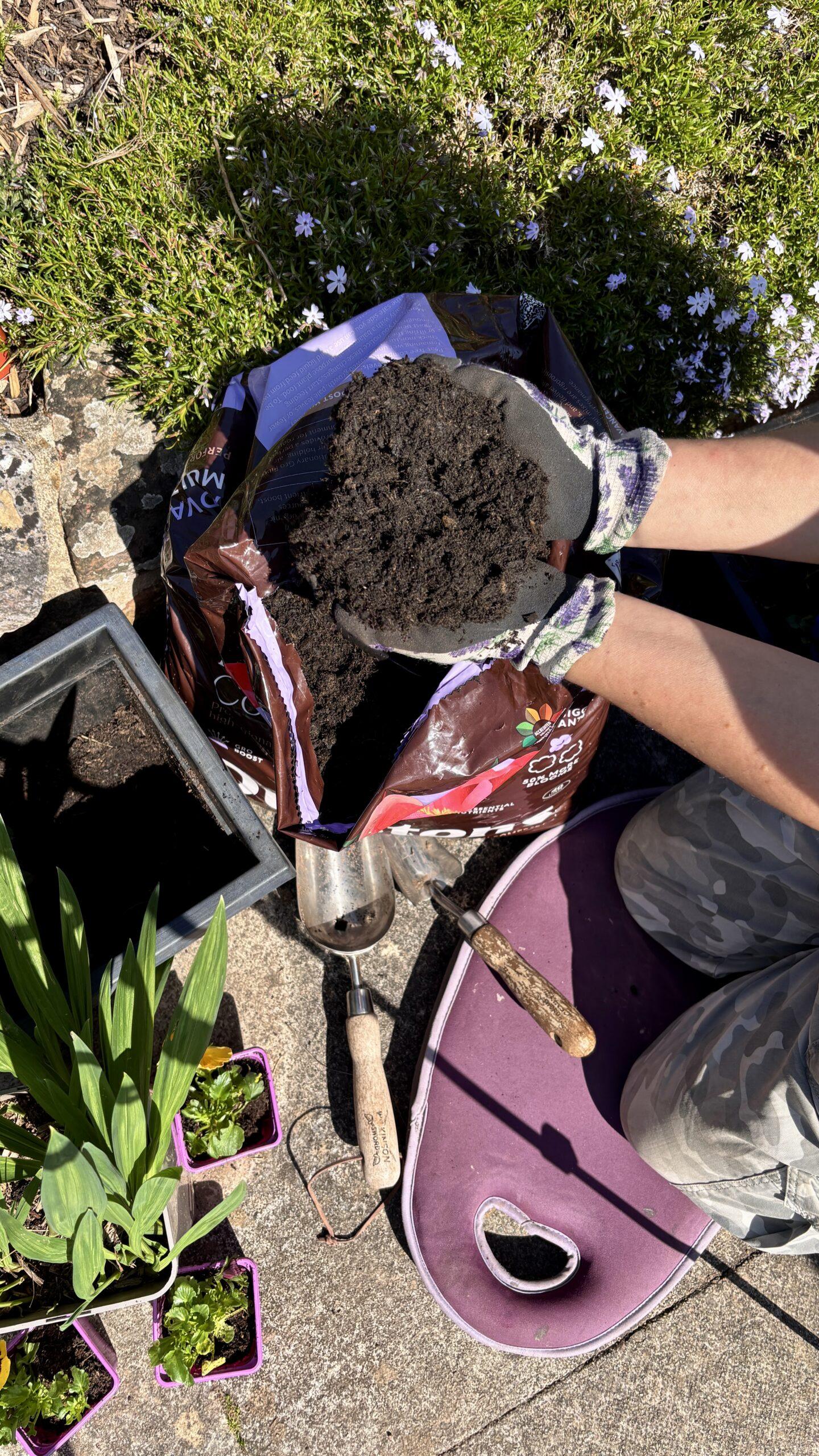
April is the month container displays really get going. Refresh tired patio pots with fresh Durstons Peat Free Multi Purpose Compost, which gives you the structure and nutrients for a full season of colour. It’s ideal for everything from dahlias (can go to herbs and summer bedding.
Hanging basket liners can be planted up in a frost-free greenhouse or porch ready to go outside next month — get ahead of it now and you’ll have lush, established baskets the moment the weather allows.
April is one of the best months to notice just how alive your garden is becoming — if you give it half a chance. Hedgehogs are emerging from hibernation now and will be hungry and thirsty, so leave out fresh water and a little hedgehog-friendly food if you can. Check bonfires and piles of leaves before disturbing them.
Solitary bees are active this month — look out for mason bees and mining bees going about their quiet, vital work. If you have a bee hotel, make sure it’s positioned facing south or south-east in a sunny spot. And if you haven’t yet, leaving a small patch of lawn unmown or letting a corner go a little wild creates habitat that benefits everything from beetles to birds.
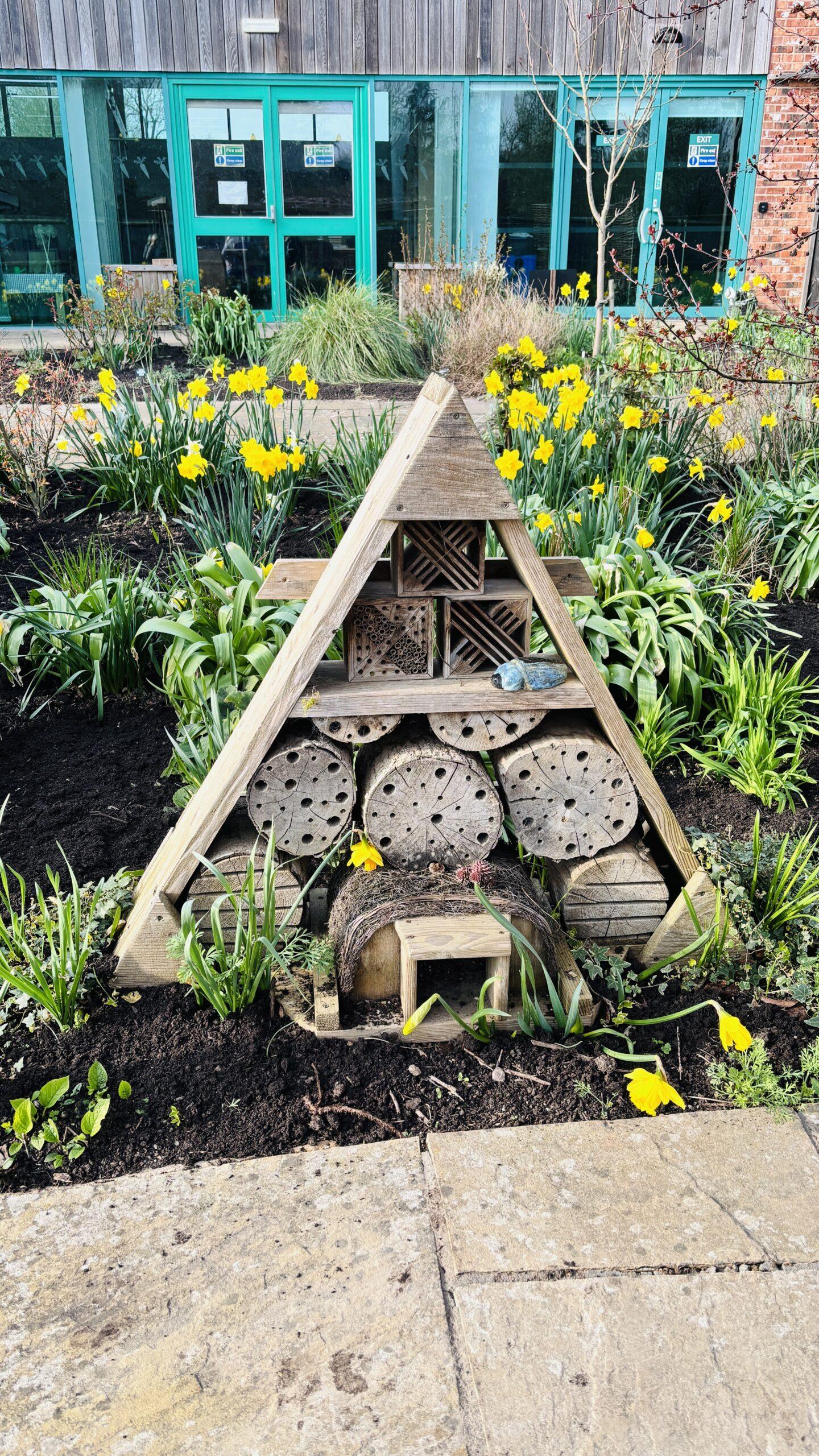
Keep feeding the birds as now they will be feeding their chicks and make sure they have access to clean fresh water.
Your garden doesn’t have to be perfect to be brilliant for wildlife. A few small changes in April can make a real difference through the whole season.
Before You Get Those Garden Gloves On…
Sow with the right compost, feed your soil before you plant, care for your spring bulbs as they finish, and leave a little wildness for the creatures that share your garden. Do those things and April will be one of your best months yet.
Kate
Peat- Free Expert Kate Turner aka The Garden Guru shares gardening tips for June…
Peat- Free Expert Kate Turner aka The Garden Guru shares gardening tips for May…
Walk into any successful garden centre today and one thing is immediately clear: every gardener is different. From first-time growers attempting a few pot plants to experienced ent…