Blog
News
October in the Garden: Time to take note.
Peat- Free Expert Kate Turner aka The Garden Guru shares gardening tips for October…
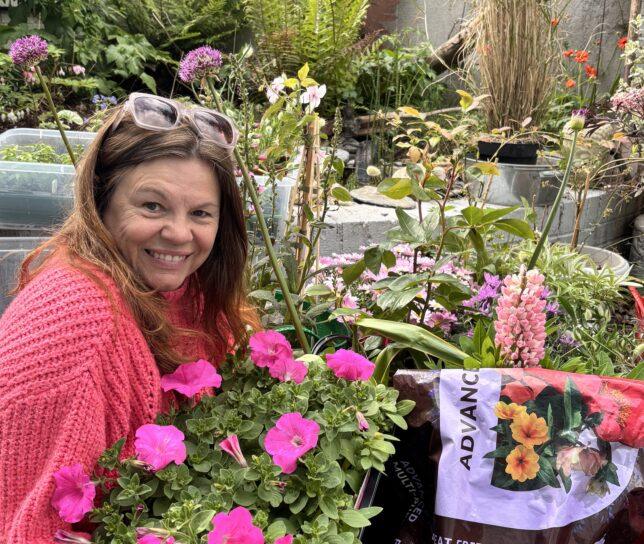
Updates from Avalon Farm
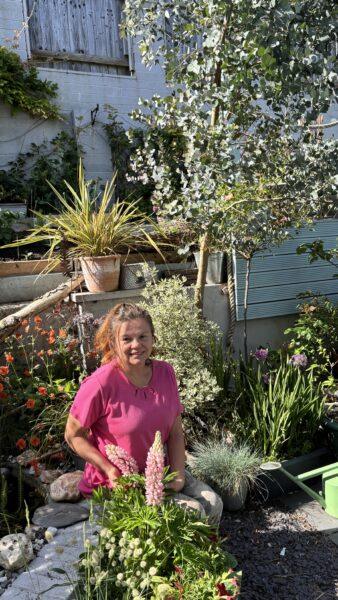
May threw a big surprise at us this year. The heatwave left a lot of gardens (and gardeners!) looking stressed, and containers dried out faster than anyone expected, and slugs — under cover of darkness — did serious damage in many gardens, mine included. But this is gardening in the UK, and gardening is so often about adapting to what the season actually gives you rather than what you planned for.
The good news is that plants are remarkably resilient when you give them a helping hand.
After the Heatwave: Feed, Water and Mulch
If your plants are looking tired after May’s heat, the most helpful thing you can do is feed and water consistently — and then mulch.
Plants under heat stress have used up their available nutrients quickly and need replenishing. A liquid feed weekly through June for plants in containers will make a real difference — you’ll see the response within days.
After watering in a feed, its then a great time to apply a generous layer of bark mulch such as Durstons peat Free bark Mulch around your plants and containers. It locks in moisture, regulates soil temperature and significantly reduces how often you need to water. In a summer that’s looking increasingly unpredictable, mulching is one of the most practical things you can do, just make sure that you always water well before adding a mulch.
How To: Make a mini-Cottage Garden in a Container
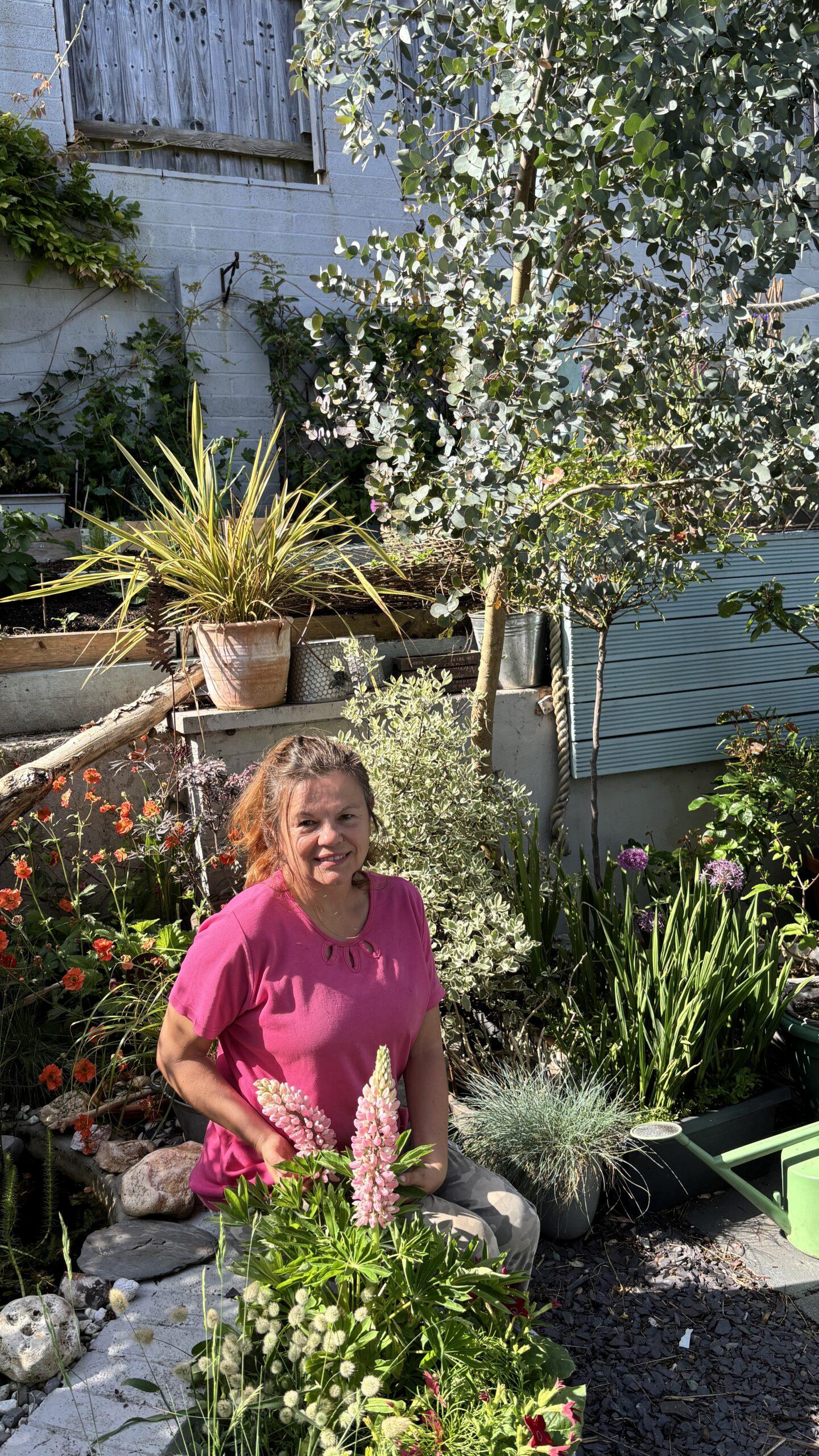
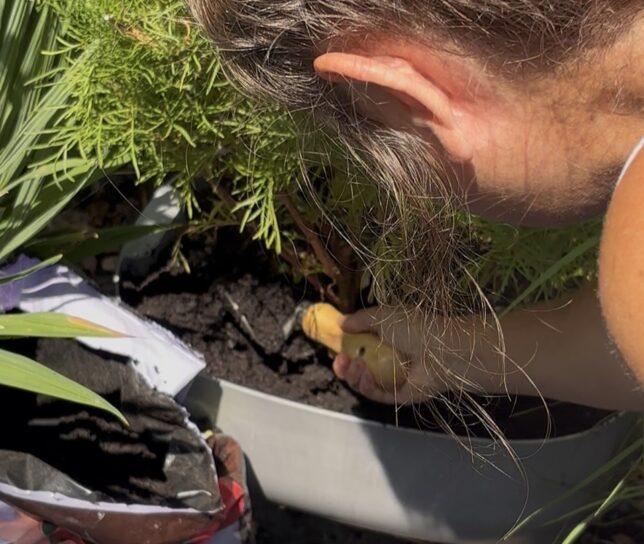
If you have a small garden you can recreate your very own little patch of cottage garden loveliness in a pot. It’s one of my favourite June projects — and right now garden centres are packed with exactly what you need. I’ve been putting together a planting combination in a large lilac tub trug with added drainage holes, that looks beautiful, works hard for wildlife and is genuinely easy to look after.
Here’s what I used:
🌸 Lupin — tall, structural, absolutely loved by bumblebees. Pop it in the middle back of the container.
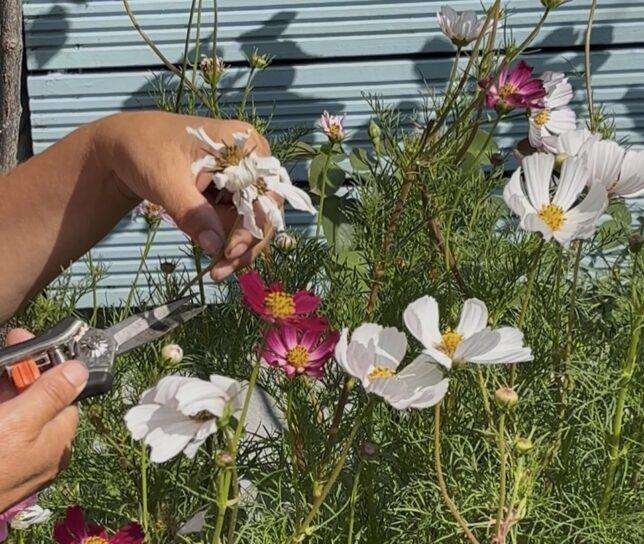
🌸 Cosmos — light and airy, soft pinks and whites, flowering right through until the frosts. Loved by bees.
🌸 Nicotiana — the tobacco plant. Beautifully scented in the evening, and hoverflies go mad for it. Often overlooked but one of my favourites.
🌸 Bunny tail grasses (Lagurus ovatus) — these add softness, movement and texture, and they dry beautifully if you want to cut and bring them inside.
Other combinations that would work include Foxgloves or delpheniums for height, snapdragons and scabious for pops of colour and Miscanthus Yukishima, a dwarf grass for movement.
The compost matters here. For a container this full and this hungry, I used Durstons Tub and Basket Peat Free Compost. It’s formulated specifically for container growing — moisture-retentive enough to buffer those hot dry spells, with the nutrients to keep everything flowering over a long season. In a heatwave year, that moisture retention is particularly valuable.
Fill your container generously, plant closely for that full cottage garden effect, water thoroughly and feed weekly once established. This combination will flower from now until the first frosts.
Watch my reel for the end result https://www.instagram.com/p/DYtegnbs99e/
The Allotment: Starting from Scratch, the No Dig Way
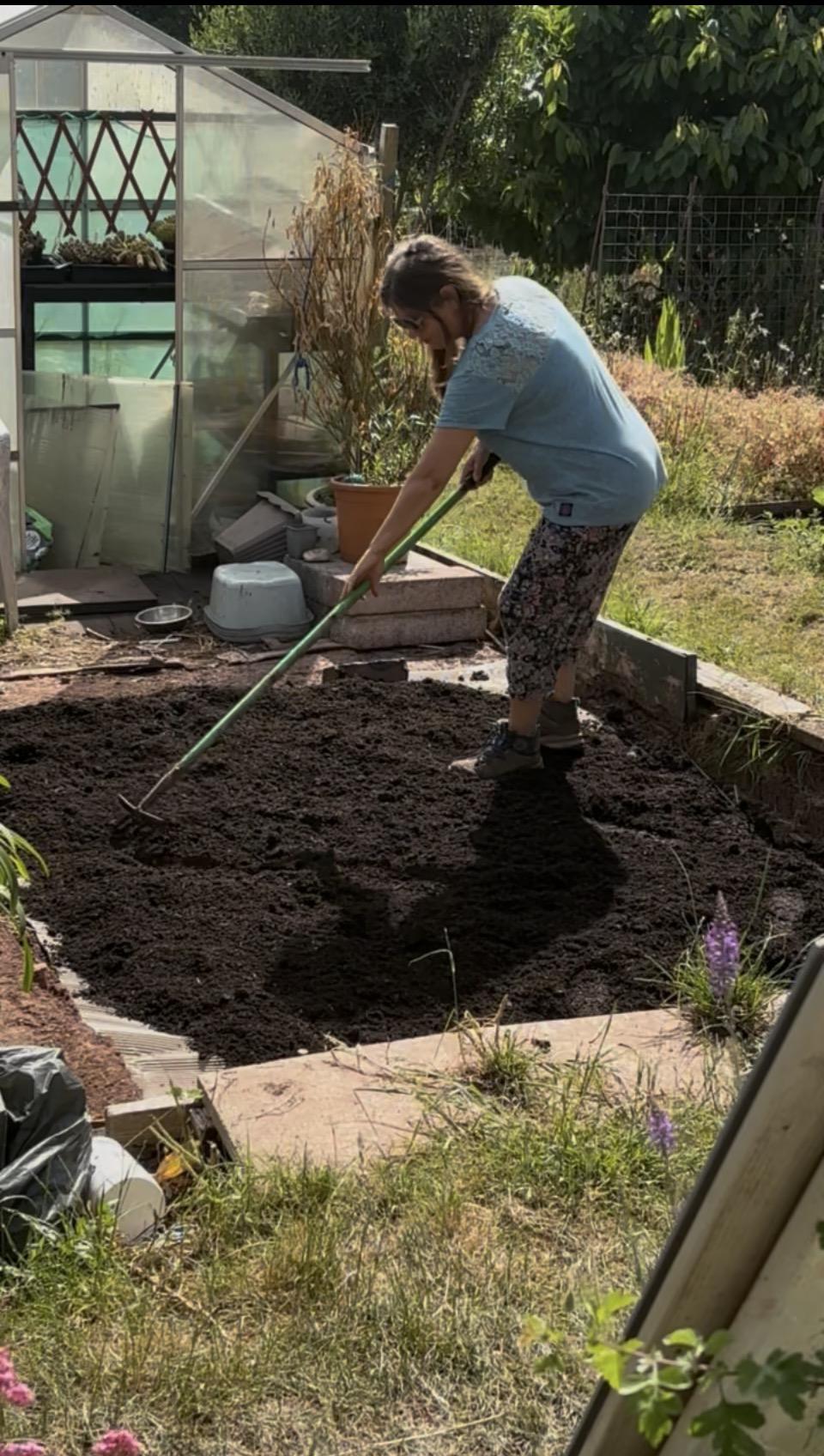
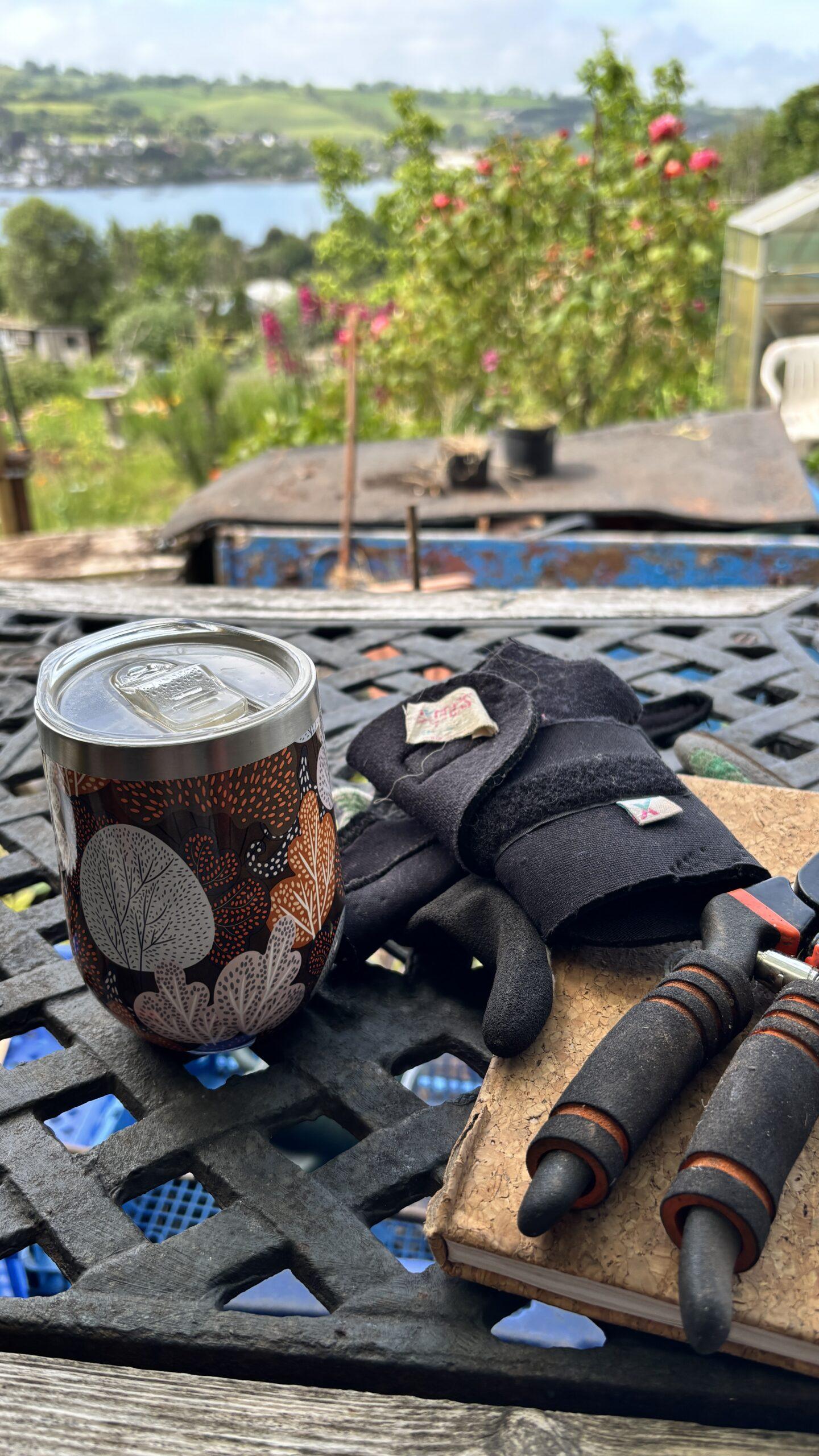
I have some news, I’ve just taken on an allotment. It has an apple tree, a pear tree, a grapevine and a view over the Teign estuary that makes you want to just stand there rather than do any actual work.
It also has compacted soil, an uneven slope, old carpet used as mulch across much of it, and a significant amount of previous-tenant debris to deal with. It’s a project. But it’s a wonderful one.
My approach is going to be almost entirely no dig and for a plot in this condition, that means two Durston products are going to be doing a lot of the heavy lifting.
Durstons Farmyard Manure laid in deep layers over cardboard will build up the growing surface above the compacted soil rather than trying to fight it from below. It feeds the soil life, improves structure over time, and is genuinely transformative on tired, neglected ground.
Durstons Soil Conditioner will go in across the planting areas — working alongside the manure to build that rich, open growing medium that no dig depends on. Together, they’re doing the work that would otherwise require a rotavator and weeks of back-breaking effort.
I’ve started with potatoes in the compacted areas to help naturally break up the soil, and I’ll be using the one clear patch for a Three Sisters planting — sweetcorn, squash and climbing beans grown together. All of it no dig.
I’ll be documenting the whole journey and you’ll see it unfold in my reels over the coming months.
Direct Sowing: What to Get In Now.
June is still a great sowing month — don’t feel like the window has closed. There’s still time for:
Beetroot — fast, easy and beautiful. Sow direct, 2cm deep, thin to the strongest.
French and runner beans — direct sow 5cm deep once the soil is warm.
Courgettes and squash — sow on their side to prevent rotting, thin to the strongest seedling.
Salad leaves — keep successional sowings going every two to three weeks for continuous harvests, although ideally sow after June 21st to prevent bolting.
For anything being sown into pots or trays, Durstons Peat Free Seed and Cutting Compost gives seedlings that fine, light texture they need to push through easily and establish well.
Roses
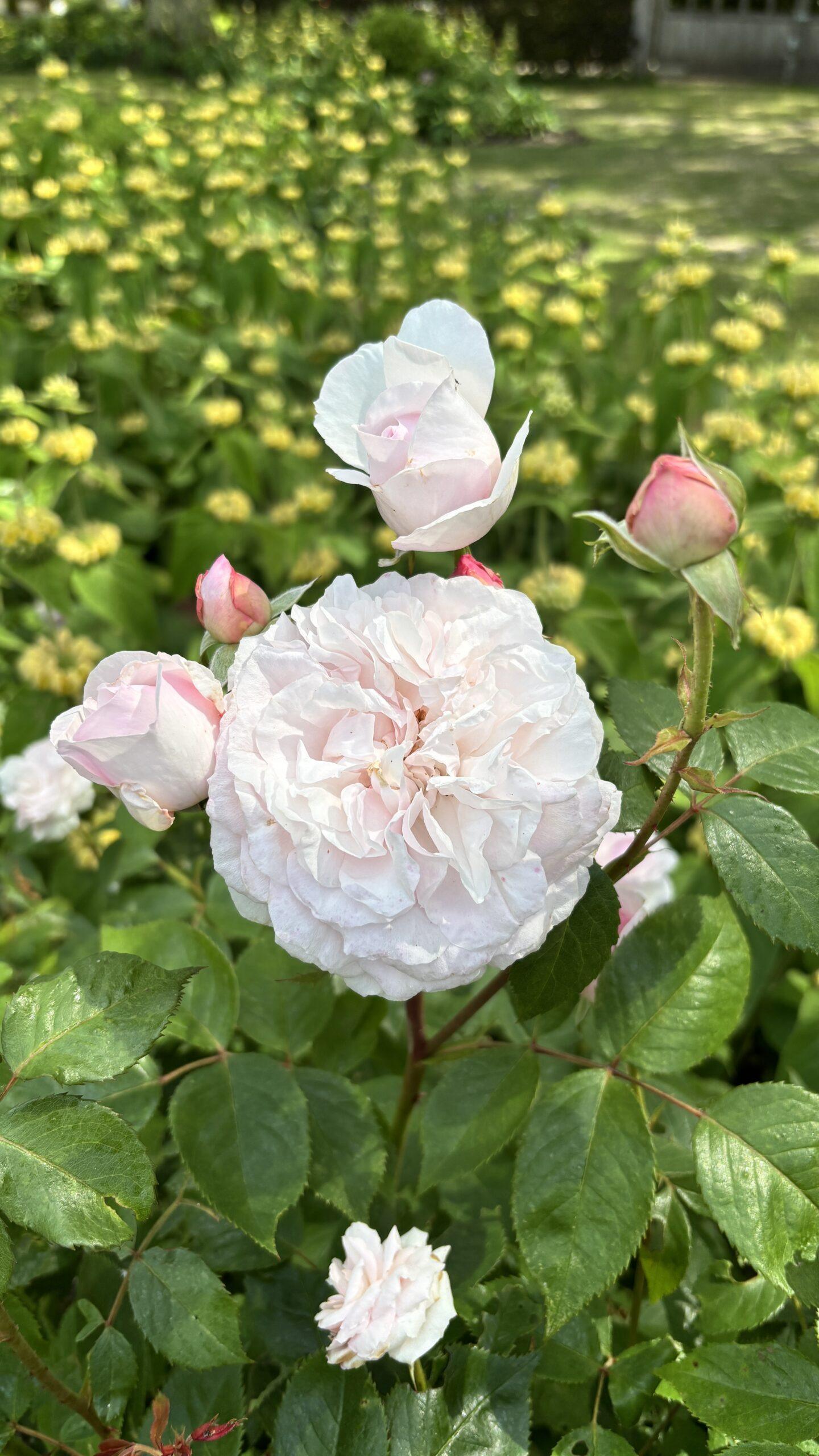
Roses are the star of the June garden and a flower I came to love as I got older. They’re not fussy divas — they’re generous, long-flowering, mostly scented, and when they’re happy, there’s nothing quite like them in a garden.
The most important thing you can do right now to keep them flowering all summer is deadhead regularly and feed and keep an eye out for aphids.
If you have recently bought a rose and are growing it in a container, then make sure you use a good compost, especially formulated for roses, such as Durstons Peat Free Rose, Tree & Shrub Compost.
Wildlife in June: Fledglings and Fresh Water
June is fledgling season — baby birds everywhere, learning to fly and feed. If you find one on the ground, leave it. In almost all cases the parents are close by. Keep cats in during early morning and evening if possible.
Put out shallow dishes of fresh water at different heights — different bird species prefer to drink and bathe at different levels. Keep feeders topped up but avoid whole peanuts until the end of July.
If you have a wildlife pond, June is when it really comes into its own. Top it up if the heatwave has lowered the level and enjoy the damselflies and dragonflies that should be appearing now.
Five Minute Tasks
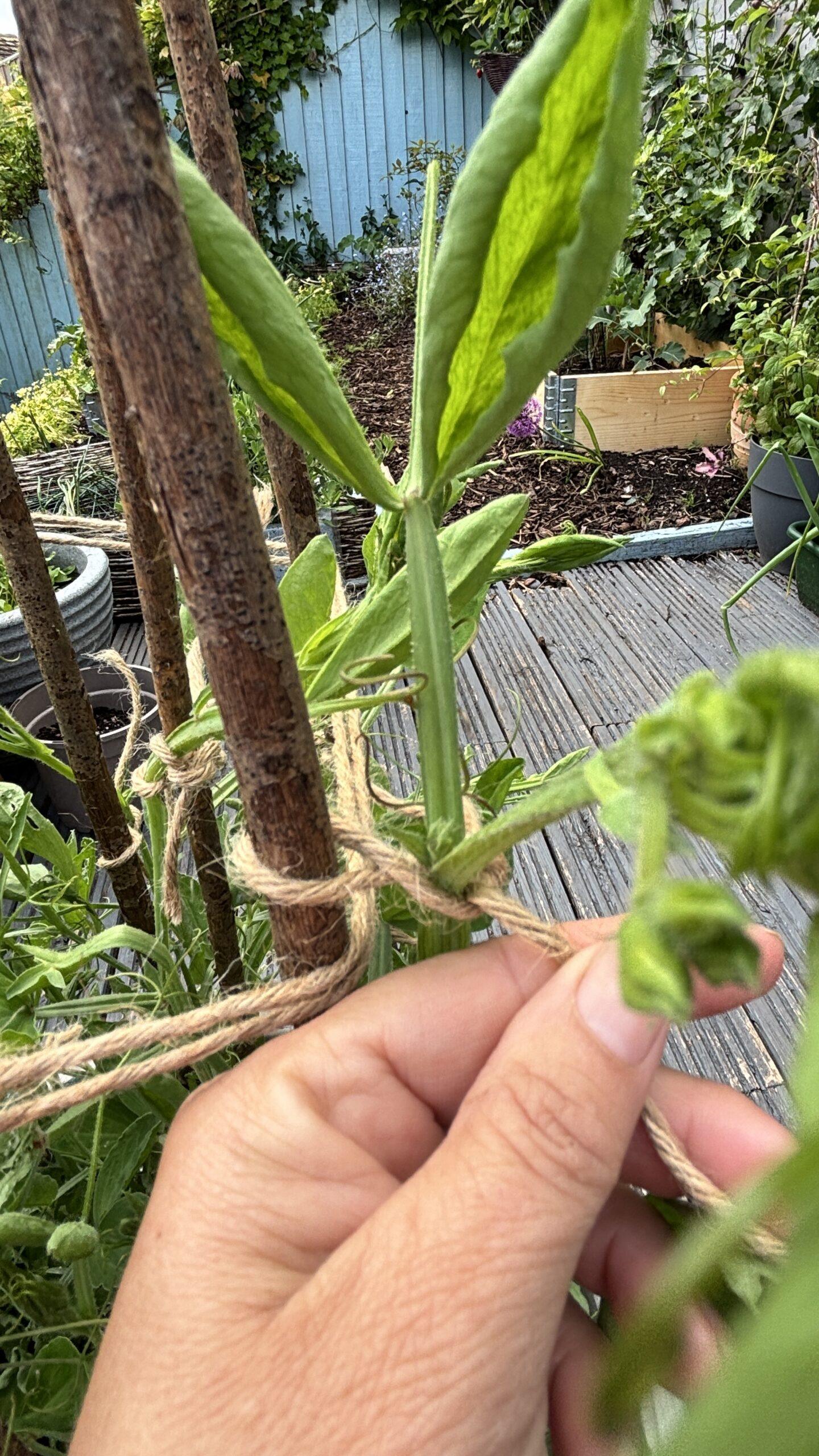
🌿 Tie in climbers. Roses, clematis and sweet peas are all growing fast. Five minutes of tying in now saves a lot of untangling later.
🌿 Keep feeding containers. Anything in a pot will have lost nutrients fast in the heat — a liquid feed weekly will help.
🌿 Deadhead sweet peas daily. The more you pick, the more they produce.
🌿 Check your water butt. If the heatwave emptied it, connect it back up now — more dry spells are likely.
Check out the best way to tie in climbers https://www.instagram.com/p/DYjJkc5sCM4/
Breathe in the Garden!
June is a great time to spend some quiet moments in the garden, especially early in the morning or evening when you can quietly do some watering and watch the wildlife, whether that’s a busy buzzing bee or a bird dipping in a bird bath.
Don’t forget just to spend some time in your garden, watching and just being, it doesn’t all have to be a list of jobs.
Kate
Peat- Free Expert Kate Turner aka The Garden Guru shares gardening tips for October…
Peat- Free Expert Kate Turner aka The Garden Guru shares gardening tips for September…
Peat- Free Expert Kate Turner aka The Garden Guru shares gardening tips for June…