Blog
News
October in the Garden: Time to take note.
Peat- Free Expert Kate Turner aka The Garden Guru shares gardening tips for October…
Updates from Avalon Farm
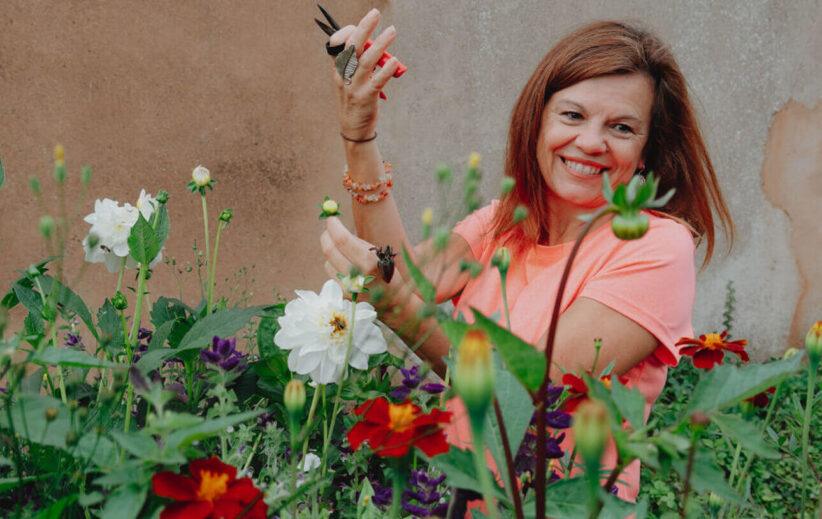
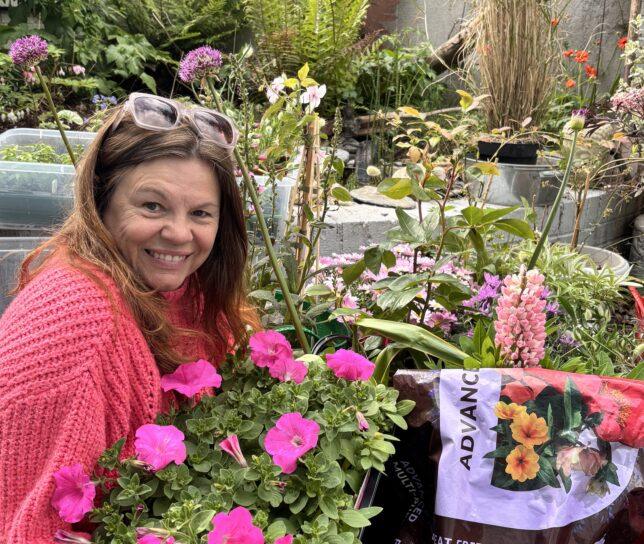
June was relentless, wasn’t it? The heatwave caught a lot of us off guard and if your containers looked desperate by the end of it — leaves drooping, compost bone dry within hours of watering — you weren’t alone. I was out morning and evening with the watering can at points.
Good compost makes an enormous difference in conditions like that. My containers planted up in Durstons Tub and Basket Peat Free Compost held on far better than I expected — that moisture retention really proves its worth when temperatures rise.
July can also bring extreme weather so here’s what to focus on this month.
July Essentials: Water, Mulch, Repeat
Containers are still your most vulnerable plants through July.
Water in the early morning ideally. With peat free composts, don’t drench each pot in one go, especially if they’ve dried out. Do each pot a little at a time and then go back again to the first one, this stops the water pouring straight out of the bottom.
Mulch the tops of your containers after watering. A layer of Durstons Tub and Basket Compost over the surface locks in moisture and reduces evaporation on hot days. Always water first, then mulch on top.
Check containers morning and evening during any warm spell — they dry out faster than you think.
Project of the Month: Create Your Own Tea Garden
Grow a dedicated collection of herbs for making fresh teas — grown in pots on a patio, doorstep or windowsill
What to grow: mint, lemon balm, chamomile, lemon verbena and lavender make lovely teas and in July work well cold, filled with ice cubes.
The mint rule: always grow mint in its own pot. It will take over wherever it’s planted, spreading underground with absolute determination. This also goes for Lemon Balm and even if you plunge it in a pot in the ground.
The supermarket parsley tip – buy a pot of supermarket parsley, tease it apart into three or four sections roots and all, and plant each into its own pot of Durstons Peat Free Multi-Purpose Compost. Within a week or two you’ll have several generous plants for the price of one. It works with coriander too.
Use any containers with good drainage and Durstons Peat Free Multi-Purpose Compost, keep moist and out of direct sunlight.
Sowing Now: It’s Not Too Late
There’s still plenty of time for a rewarding late season harvest.
Kohlrabi — underused and brilliant, especially purple varieties like ‘Purple Delicacy’ Sow direct or into modules now for an autumn harvest. Mild, crisp and delicious raw or roasted.
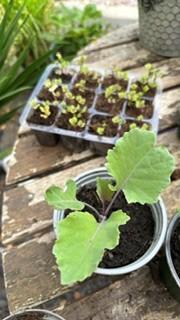
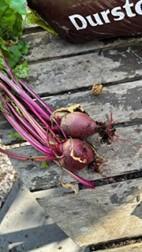
Beetroot — fast, easy and the leaves are as useful as the roots. Sow direct 2cm deep or in clumps in module trays.
Florence Fennel — July sowings are less prone to bolting than earlier ones. Needs a sunny spot, consistent moisture and earthing up to blanch the bulb. One of my favourite veggies to cook with.
Annual herbs — basil, coriander, dill. Keep sowing throughout July and August for constant cropping, coriander especially goes to seed quickly in hot weather.
Salad leaves — July is actually ideal. Salad leaves bolt — run to seed — in long hot days, a survival mechanism that makes them shoot up and turn bitter almost overnight. July sowings, as days gradually shorten, are far less likely to bolt, giving you longer, leafier harvests. Sow into Durstons Peat Free Sowing Compost whilst waiting for space to become available in the veg area and give some afternoon shade on the hottest days.
Sow Now for Next Year: Biennial Flowers
If you want foxgloves, wallflowers, sweet Williams and hollyhocks next summer, now is exactly when to sow them.
Biennials take two years to complete their life cycle — year one is all roots and leaves, year two they flower magnificently. Sow now, grow on through summer and autumn, plant into final positions in October, and next May your garden will be fullof these gorgeous blooms.
Sow into Durstons Peat Free Sowing Compost, keep somewhere bright and sheltered, and prick out into individual pots once large enough to handle.
Plant of the Month: Cosmos
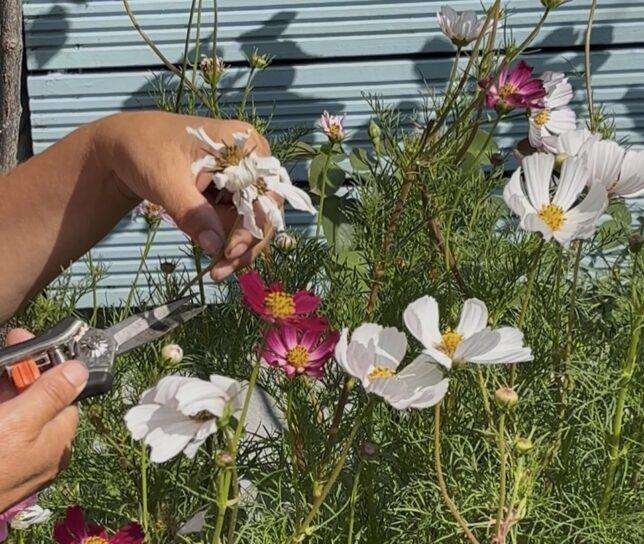
Airy, beautiful, flowering prolifically from now until the first frosts — cosmos does everything well. It’s a pollinator powerhouse with bees and hoverflies on it constantly, and one of the best cut flowers you can grow at home. Cut regularly and it just keeps going — bring stems in when buds are just opening and they’ll last well in a vase.
Deadhead anything going over, and pinch out leggy stems to keep it bushy and generous.
Watch my video on pinching out cosmos here:
Watch Out For: Cabbage White Butterflies
Beautiful but devastating. The cabbage white lays tiny yellow eggs on the underside of brassica leaves — check regularly and squash anything you find as overnight your crops will be decimated!
In my own small garden I haven’t netted this year and I’m already paying the price. At the allotment I’ll be putting up fine mesh netting before anything goes in — it’s the only truly reliable prevention. Learn from my mistake.
Tool of the Month: The Hori Hori Knife
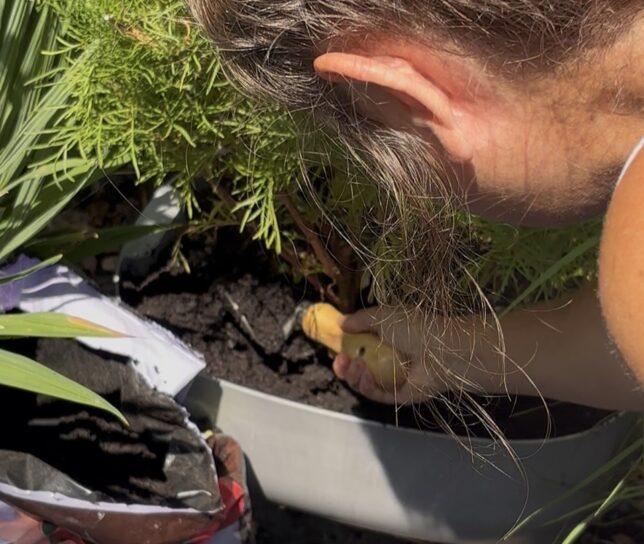
A large Japanese garden knife with a pointed blade — one serrated edge, one smooth — spacing lines and a weeding hook at the end. Once you’ve used one you’ll wonder what you did without it. It plants bulbs and plug plants, divides perennials, cuts through roots, opens compost bags and scratches out weeds from tight spots. One of those tools that earns its place every single time you go out into the garden and I love it.
Wildlife Watch: Water and Daisies
Two simple things make a big difference in July.
Fresh water. A shallow dish at different heights around the garden will be used by everything from sparrows to bees. Change it every couple of days and you’ll be amazed how quickly it gets discovered.
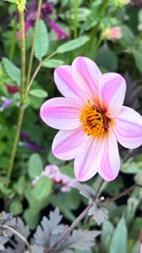
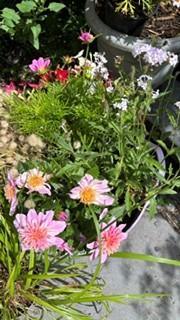
Plant daisy-type flowers. Rudbeckia, echinacea, single-flowered dahlias, scabious — their open, flat structure means pollinators can easily reach the nectar, unlike double flowers where it’s essentially locked away. A few of these in borders or containers will have bees visiting all day long.
If you haven’t planted any yet or sowed from seed, don’t worry, garden centres are full of gorgeous daisy like flowers which can be grown in the garden or in a container now.
Whatever you’re growing this July, don’t forget to stop and enjoy it. The garden has a way of giving back more than you put in — but only if you take the time to notice.
Kate
Peat- Free Expert Kate Turner aka The Garden Guru shares gardening tips for October…
Peat- Free Expert Kate Turner aka The Garden Guru shares gardening tips for September…
Peat- Free Expert Kate Turner aka The Garden Guru shares gardening tips for June…