Blog
News
October in the Garden: Time to take note.
Peat- Free Expert Kate Turner aka The Garden Guru shares gardening tips for October…
Updates from Avalon Farm
August has a particular feeling to it — the garden is at its most abundant, but you can sense the season starting to shift. Harvests are coming thick and fast, the light is changing and there’s that first hint, just occasionally in the early morning, that autumn is not so far away.
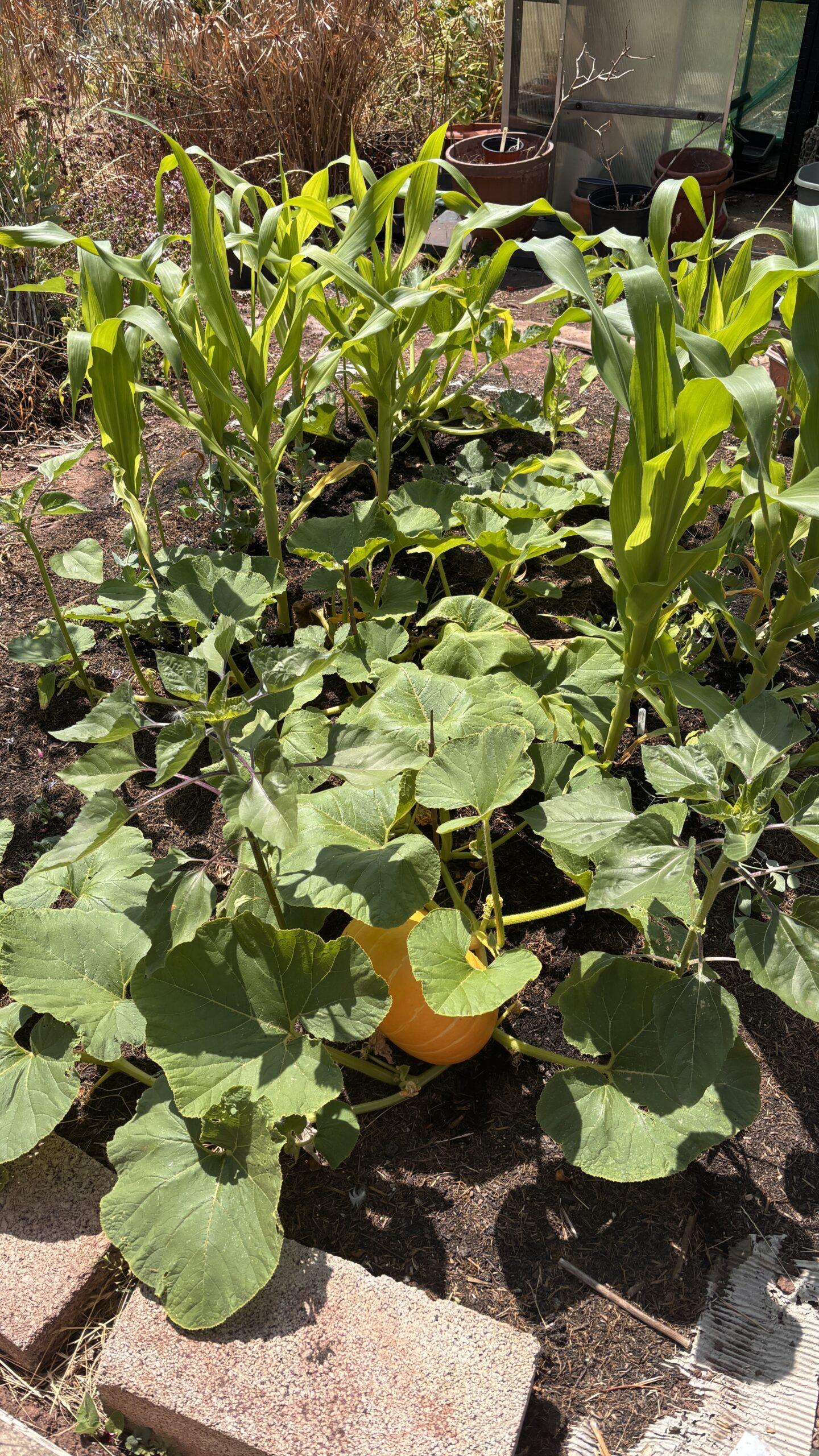
On the allotment, the Three Sisters bed is doing brilliantly. The pumpkins and corn are romping away and I’m genuinely thrilled with how that bed has performed — mulched with Durston peat free soil conditioner over wet cardboard as the soil was rock hard. conditions. My cosmos have also come back strongly since I mulched around them with some peat free multi-purpose compost after watering. They still need regular watering but are much healthier and covered in bees.
Not everything has gone to plan, my sweet peas have been disappointing this year — they don’t like drought, so I’m letting them go to seed and will harvest them later in the month. My broccoli got so badly hit by cabbage white that I’ve taken it out entirely, next year I will remember to net them! In its place I’ve topped up my small raised bed with Durstons Peat Free Soil Conditioner and farmyard manure and popped in a cucumber and some Chard that already looking very happy. August gardening is all about adapting to what the previous months have given you and not always following the rules.
August Essentials: Drought, Dust and Keeping Things Going
Much of the UK is dry right now — really dry. Soil is compacted, paths are dusty and containers are drying out faster than ever. August is the month to work with that rather than fight it.
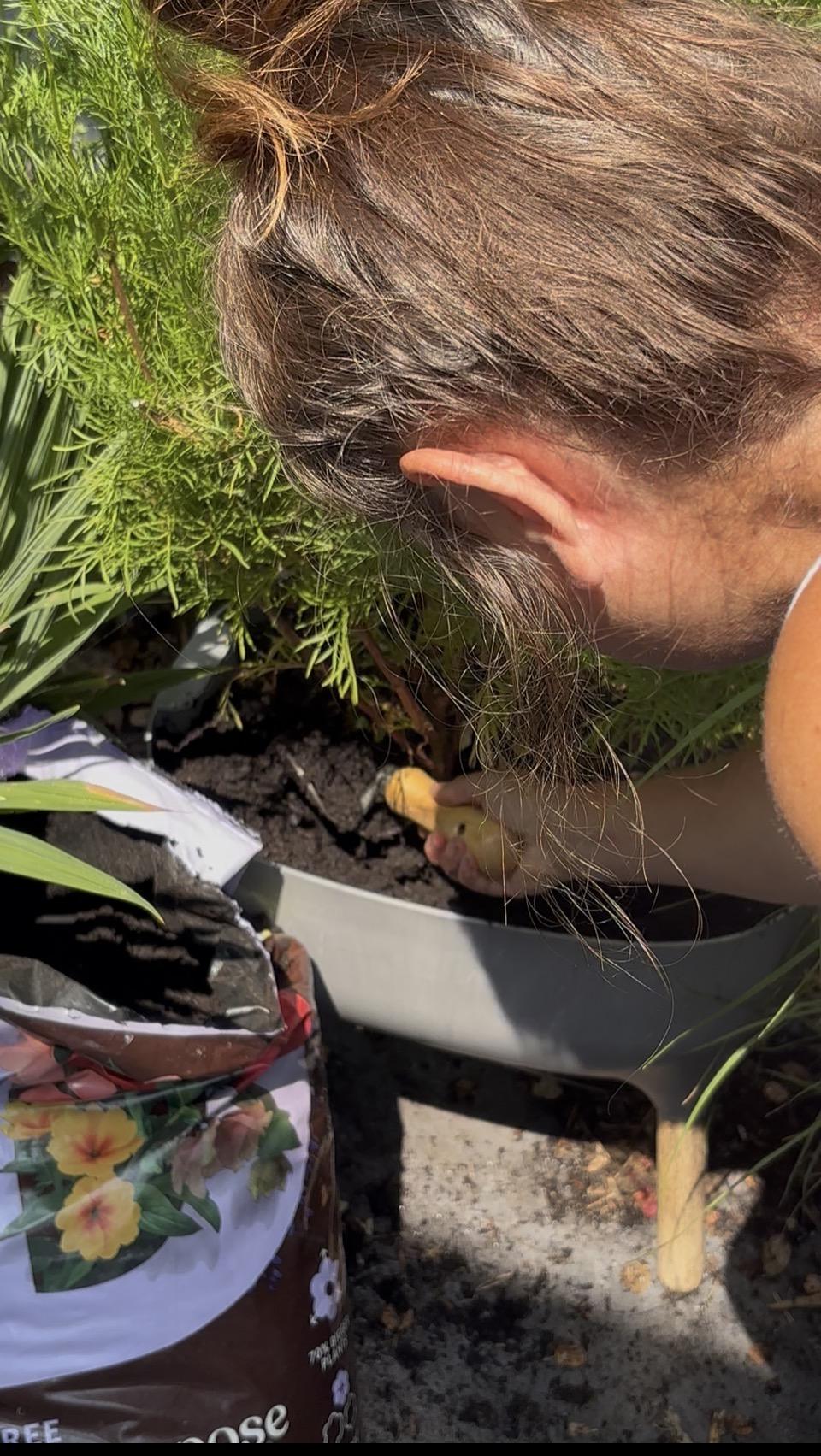
Mulch containers after every watering. A layer of Durstons Peat Free Multi-Purpose Compost over the surface of pots locks in moisture and slows evaporation significantly. Always water thoroughly first, then mulch on top. It sounds simple because it is — and the difference it makes to how often you need to water is genuinely remarkable and it keeps the plants healthier.
Think about your paths. Compacted, dusty paths are uncomfortable to walk on and can become slippery when rain eventually arrives. Bark chippings such as Durstons Decorative Spruce Bark, make brilliant, practical paths — they suppress weeds, regulate soil temperature at the edges of beds, and look natural in any garden setting. At the allotment I’m planning bark paths between my beds and around the Three Sisters area — it’ll make a real difference to how the plot feels to work in, and to the soil health alongside the beds. It works just as well in a garden border too.
Harvesting Now: The Jobs That Can’t Wait
Courgettes — pick them small – If you’re growing courgettes, stay on top of harvesting. Pick them when they’re about the length of your hand — they’re more flavourful small and the plant will keep producing. Leave them and they become marrows almost overnight.
One thing that catches people out: if you’re only seeing male flowers at first, be patient. Male flowers appear before female ones — the female has a tiny, immature courgettes at its base. Once both are present, pollination happens — often overnight — and suddenly you’ll have more courgettes than you know what to do with. Don’t give up on a plant that seems to be all flower and no fruit just yet.
Tomatoes and chillies — pick when red. Once a tomato or chilli turns red, pick it. A ripe fruit on the plant sends a signal that suppresses the ripening of everything else around it. Remove it and the plant redirects its energy into ripening the remaining fruits. Keep picking and it keeps producing.
Pumpkins — feed them well – Pumpkins are hungry plants and August is when they really need support to swell those fruits properly. A homemade liquid feed — seaweed steeped in water and diluted, or comfrey/nettle feed made the same way — applied weekly to the base of the plant makes a real difference. I’ve been making my own seaweed feed from seaweed collected on the beach and the results have been excellent. Why not have a go yourself? It costs nothing and your plants will love you for it and a natural feed is a great companion to a good peat free compost.
Late Summer Container Refresh
If your containers are looking tired and heat-stressed right now — flowers fading, plants past their best — August is the perfect time to give them a refresh rather than waiting for autumn.
Garden centres are full of late summer plants that will flower right through until the first frosts, and a replanted container can look as good in August as it did in May. Here’s what I’d be reaching for:
Echinacea and rudbeckia — tough, drought-tolerant and absolutely beloved by bees and butterflies. Their open, daisy-like flowers are perfectly shaped for pollinators to access the nectar easily. Plant into a large container using Durstons Peat Free Tub and Basket Compost — moisture retentive enough to buffer dry spells, with the nutrients to keep everything flowering through a long season.
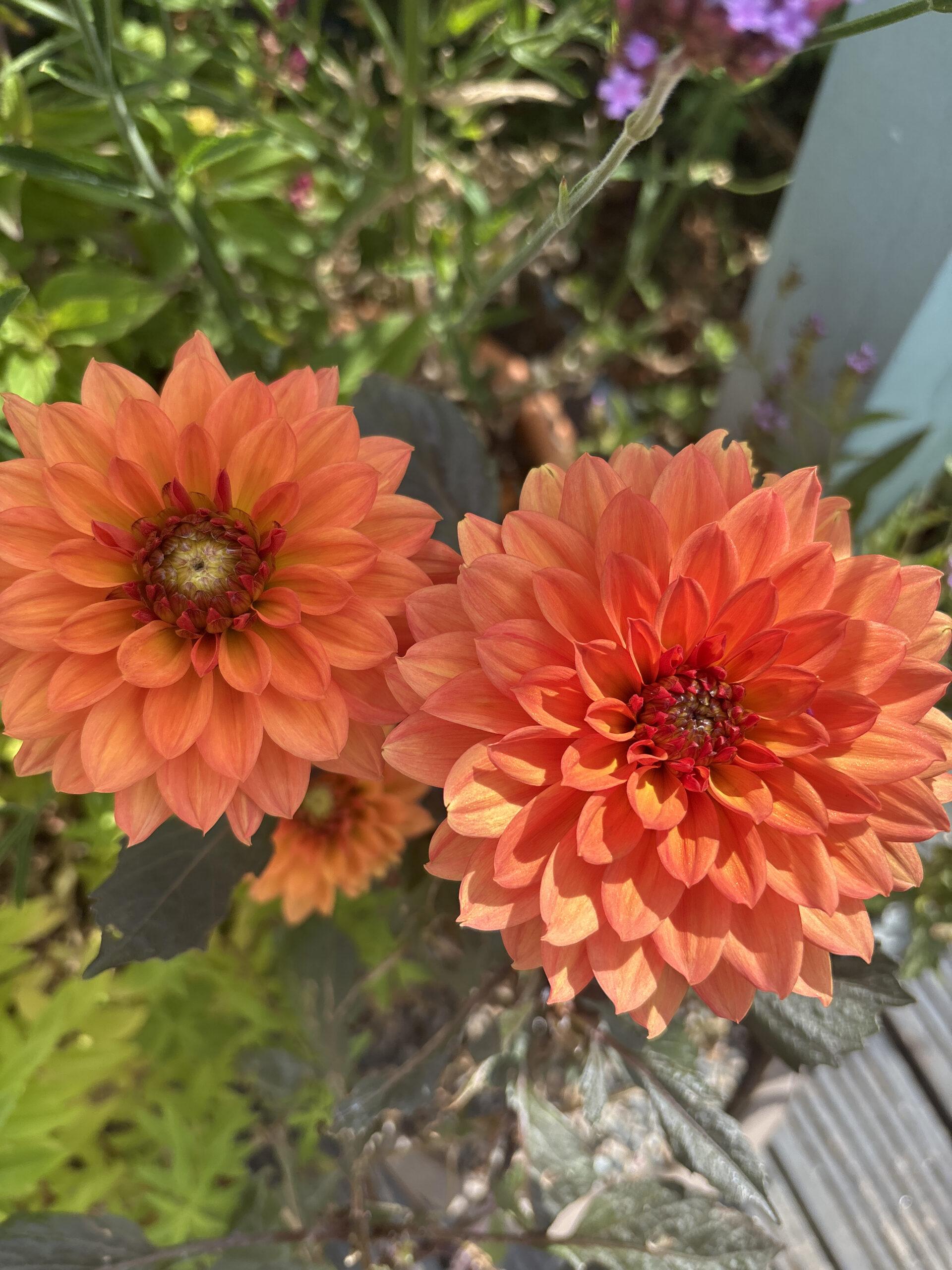
Dahlias — you can still find good dahlias at garden centres now and they’ll flower prolifically until the frosts. For dahlias, I use a peat free John Innes No. 3 — its loam base gives dahlias the stability and sustained nutrition their tubers need through a long flowering season. Choose single-flowered varieties if pollinators are a priority — the open centre gives bees and hoverflies easy access to the nectar.
Plant generously, water well and feed weekly. A container like this will be working hard for you — and for wildlife — well into October.
Sow Now: Don’t Let the Space Sit Empty
Even in August there’s some seeds worth sowing — and doing it now whilst you’re waiting for space to clear in the garden means you’ll have plants ready to go in the moment a gap appears.
Last chance for biennials. If you didn’t get foxgloves, wallflowers, sweet Williams and hollyhocks sown in July, do it now — this really is the last reliable window for flowers next summer. Sow into Durstons Peat Free Seed and Cutting Compost, keep somewhere bright and sheltered and prick out once large enough to handle.
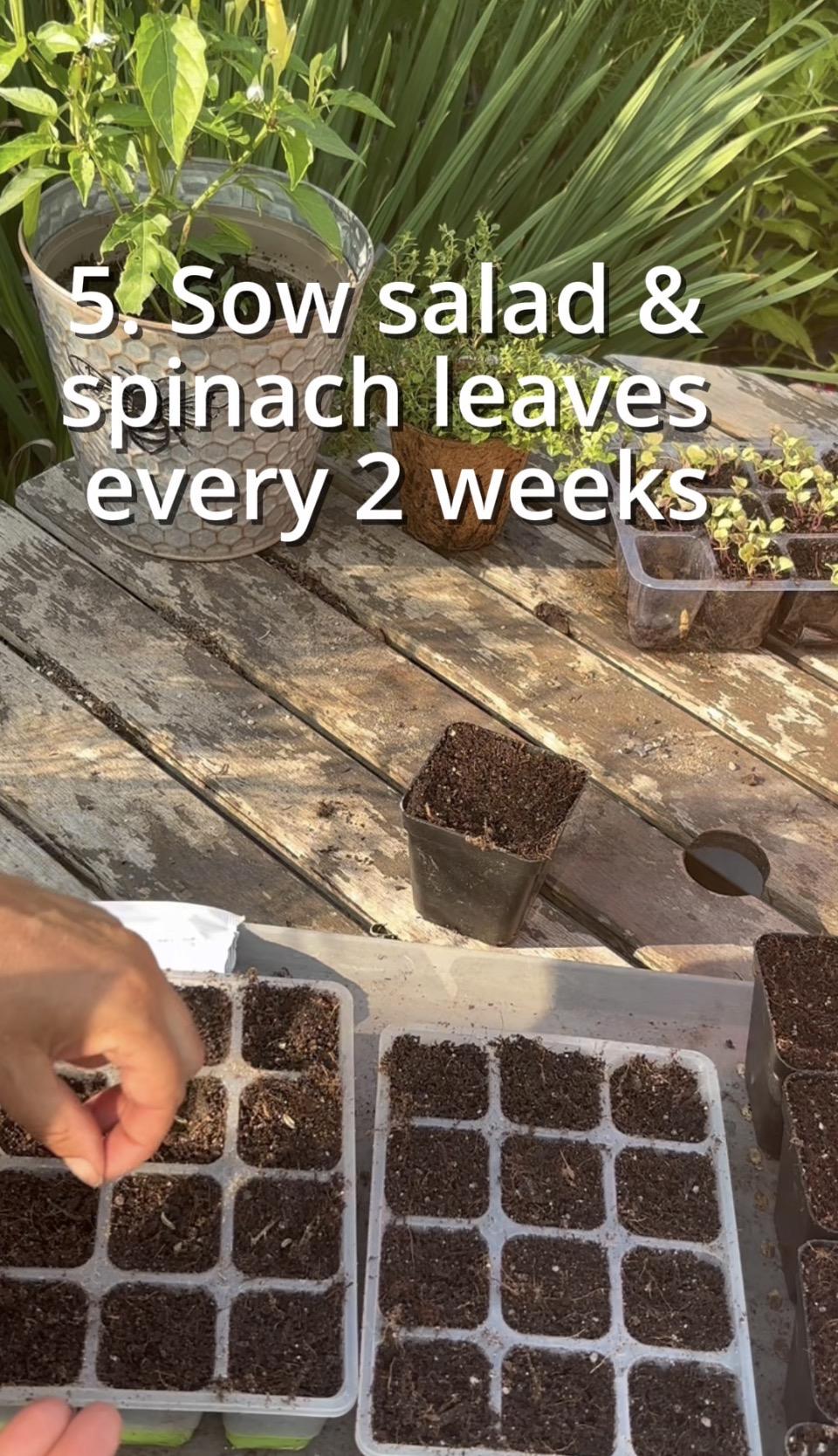
Autumn and winter salad leaves. Sow now for harvests well into autumn — spinach, rocket, winter lettuce, lamb’s lettuce and mizuna are all good choices. Sow into peat free seed compost while you wait for space to open up in beds and borders, then plant out as gaps appear. A few pots of autumn salad on a doorstep will keep you picking long after the summer crops are done.
Spring onions and spinach sown now will establish before the cold arrives and give you early pickings next spring.
August: Stop, Look and Enjoy It
It’s easy to feel disheartened in August. The drought has been tough, some things haven’t performed as hoped — my sweet peas and broccoli will testify to that — and the garden can start to look a little tired. But look more closely and there is so much to celebrate. Pumpkins swelling. Tomatoes turning. August is actually one of the most abundant months in the garden.
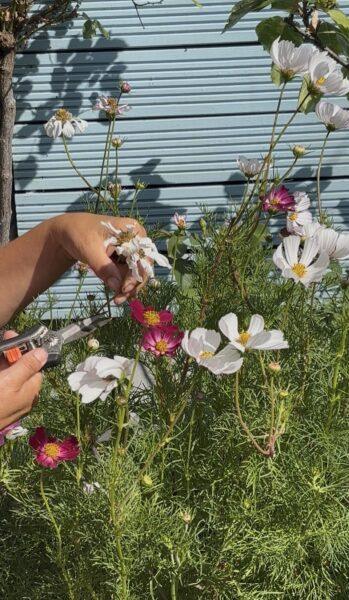
Keep deadheading — cosmos, dahlias, rudbeckia. Removing spent flowers tells the plant to keep producing rather than setting seed and can extend a display by weeks.
Keep harvesting. The more you pick, the more the plant produces. Don’t leave ripe fruits on the plant and don’t let courgettes become marrows overnight.
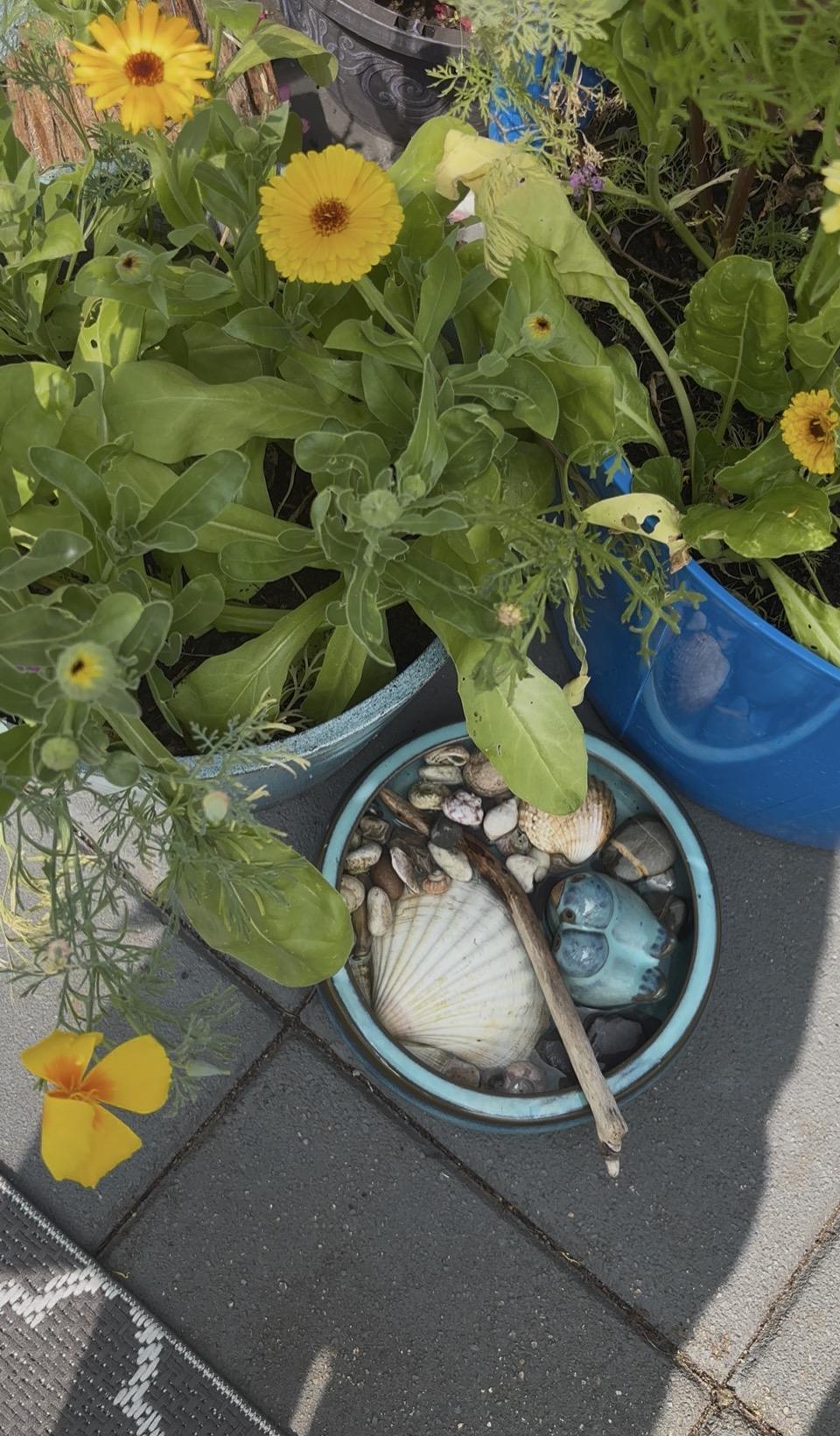
And keep feeding nature. A shallow saucer filled with pebbles and topped up with clean fresh water gives bees and butterflies somewhere to drink safely without drowning. Change it daily and you’ll be amazed how quickly it gets discovered.
The season is shifting — but there’s still so much of it left to enjoy.
Kate
Peat- Free Expert Kate Turner aka The Garden Guru shares gardening tips for October…
Peat- Free Expert Kate Turner aka The Garden Guru shares gardening tips for September…
Peat- Free Expert Kate Turner aka The Garden Guru shares gardening tips for June…