Blog
The March Garden and what to do.
Peat- Free Expert Kate Turner aka The Garden Guru shares gardening tips for March…
Updates from Avalon Farm
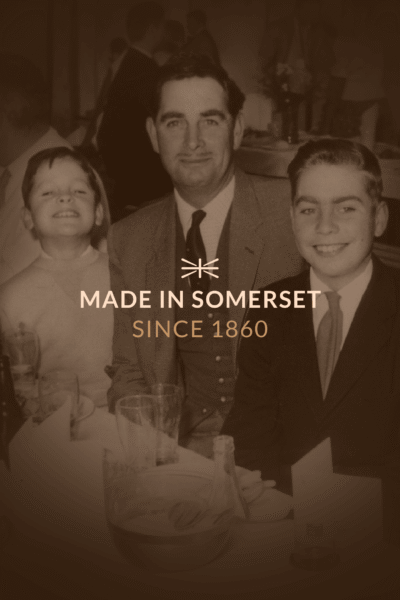
At Durstons, it starts with a distant ancestor, a spade and the Somerset moors.
In the mid-19th century, the Durston family began cutting peat by hand and delivering it locally as fuel. Today, that same family business produces millions of bags of growing media each year, supplying garden centres and retailers across the UK with high-performing compost.
The tools may have changed. The scale may have changed. But the philosophy remains: understand the materials, focus on quality and produce something people can rely on time and time again. That approach has guided the family for more than 150 years. And for the past four decades we’ve been focused on one thing in particular: making compost that performs.
The Durston story starts back in the 1860s when the family first started cutting peat from the Somerset moors. At the time, peat was an essential household fuel. It was cut by hand, dried on the land and delivered locally in much the same way coal merchants supplied homes across the country.
The work was labour-intensive and seasonal. Armed with little more than a spade and a horse and cart, the early Durston operation was small but dependable. And, for several generations, the family trade remained focused on harvesting peat and supplying the local area. Over time, equipment gradually improved and transport modernised, but the core activity stayed the same.
What those early years did create, however, was something more valuable than scale: a deep, practical understanding of the land and the natural materials it produced. It was knowledge that would later form the foundation of the growing media business.
Like many rural businesses, the Durston operation evolved after the Second World War. The next generation returned home and expanded the family enterprise, combining peat cutting with dairy farming on the Somerset land. For a period, the business balanced both activities. On one side producing milk, whilst on the other continuing to harvest peat from the moors.
But by the 1960s and early 1970s, agriculture and industry were changing rapidly. Mechanisation was transforming how peat could be extracted and handled, creating new opportunities for businesses willing to modernise.
The Durston family recognised the shift and adapted again. Machinery replaced manual cutting and the peat operation began to scale up. The dairy herd was eventually phased out, allowing the business to focus solely on peat production and supply.
At the time, the Durstons were producing thousands of tonnes of peat each year, supplying it as a raw material to companies already manufacturing compost products. It was a straightforward business model: harvest the peat, load the lorry and deliver it to customers to produce their compost products.
The peat produced on the family’s land was widely recognised as being high performing and high quality. And the family could see a bigger opportunity ahead.
By the late 1980s, the Durston family had built decades of experience producing peat. But they were still supplying it as a raw material to other manufacturers.
In 1989, that all changed.
The family made the decision to take the next step, moving beyond supplying peat and beginning to manufacture their own compost products. It was a major shift for the business. Manufacturing their own growing media meant new equipment, new processes and new relationships with retailers and distributors.
It also meant something critical: control. Control over what other ingredients were added to the compost mix and therefore control over the quality of the final product. By producing the finished growing media themselves, Durstons could oversee the entire process. They selected raw materials, they blended the recipes, packed and delivered the final product.
The early product range was simple, starting with grow bags and basic compost blends to test and ensure the products provided the performance people needed. But the ambition behind it was clear: create compost products that growers could rely on. That move laid the foundations for the modern Durstons business.
Over the past forty years, Durstons has focused on developing expertise in compost manufacturing. What began as a small production operation has evolved into a modern, efficient growing media facility that produces millions of bags annually for retailers across the UK.
Creating reliable growing media requires careful selection of ingredients, precise blending and consistent quality control. Each component behaves differently — from peat and green compost to wood fibres and organic inputs. Understanding how those materials interact is essential to producing compost that performs reliably.
Decades of experience working with natural materials has allowed Durstons to refine its approach. Recipes have been developed and improved over time. A comprehensive research and development programme, along with independent testing against competitors, has meant the team have produced the best performing compost on the market.
But it’s not just the product that has been refined for today’s market, manufacturing processes have also been modernised and the business has steadily expanded its capabilities. Today the company operates a sophisticated production system capable of producing and packing large volumes of compost products for the retail market.
Production is carefully planned around the seasonal nature of gardening demand. While the busiest retail sales period runs from February through early summer, preparation begins months earlier to ensure retailers have the stock they need when the season starts.
It also means Durstons can respond quickly to the demands of retailers. For example, during the COVID pandemic, Durstons were the only supplier who could meet the highly variable needs of their retail customers. And all because they have complete control of the process.
For retailers, this operational discipline provides something essential: confidence in supply.
While heritage is an important part of the Durston story, it’s a heritage that has been built on always thinking about the future and what customers will need. Today, the company’s focus is firmly on the future of compost.
The growing media industry is undergoing significant change, particularly with the move towards more environmentally friendly and sustainable peat-free products. Durstons has spent years developing and refining peat-free compost mixes that maintain the growing performance gardeners expect. They invested early in the development of a peat-free product, but then chose to hold it back from sale until it was fully tested and could performed as well as peat-based versions. This decision to refine the peat-free growing media was partly driven by the fact that they had seen many competitors rush inferior products to market.
Durstons instead chose to invest in research, ingredient sourcing and manufacturing processes to ensure peat-free materials behave consistently in compost blends. This, alongside testing against competitor peat-free and peat-based products, has enabled them to produce a peat-free compost that genuinely performs for gardeners and therefore retailers.
As the compost market evolves, Durstons has also simplified its product range to make it easier for retailers and customers to navigate. The company now offers three clearly defined ranges designed to meet different needs across the gardening market.
By organising products into three straightforward ranges, Durstons has created a clear and flexible offering for garden centres and retailers, such as as supermarkets and hardware stores. From value composts through to high-performance peat-free products, the ranges allow retailers to meet a wide variety of customer needs, while working with a single trusted supplier.
Even after more than 150 years in business, Durstons continues to evolve.
The company is currently investing in new infrastructure and facilities to support future growth and product innovation. This includes the development of a new site designed to expand production capacity and improve logistics, ensuring the business can continue supplying retailers efficiently as demand grows.
Alongside these investments, research and development work continues on new compost formulations and manufacturing techniques — particularly in peat-free growing media. And, of course, testing against competitors also continues to ensure the now famous Durstons performance continues each year.
For Durstons, innovation isn’t a recent trend. It’s something that has defined the business for generations.
From hand-cut peat on the Somerset moors to independently proven peat-free compost, the Durston story is one of continuous evolution and the pursuit of quality and performance.
Across generations, the business has adapted to changing markets, new technologies and the evolving needs of retailers and gardeners. Today, Durstons combines that heritage with modern manufacturing expertise to produce growing media that gardeners can rely on.
For retailers, it means working with a supplier built on experience, focused on performance and committed to the future of compost. For their customers, it means a reliable product that works.
Peat- Free Expert Kate Turner aka The Garden Guru shares gardening tips for March…
Peat- Free Expert Kate Turner aka The Garden Guru shares gardening tips for February…
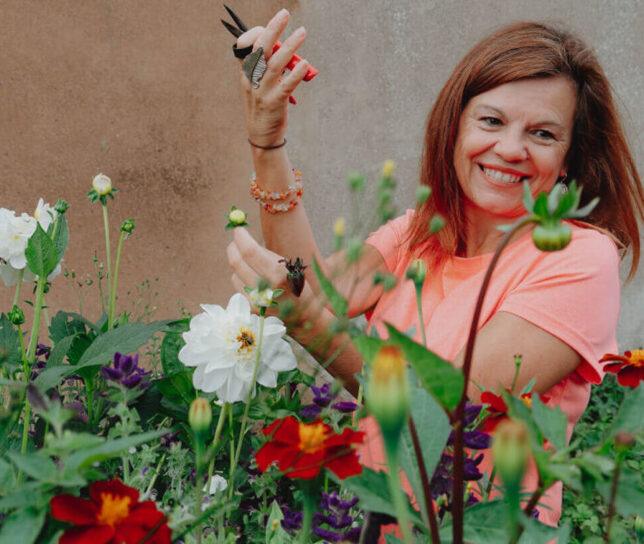
Our Peat-Free Expert, Kate the Garden Guru shares top tips for gardening…