Blog
The February Garden and what to do.
Peat- Free Expert Kate Turner aka The Garden Guru shares gardening tips for February…
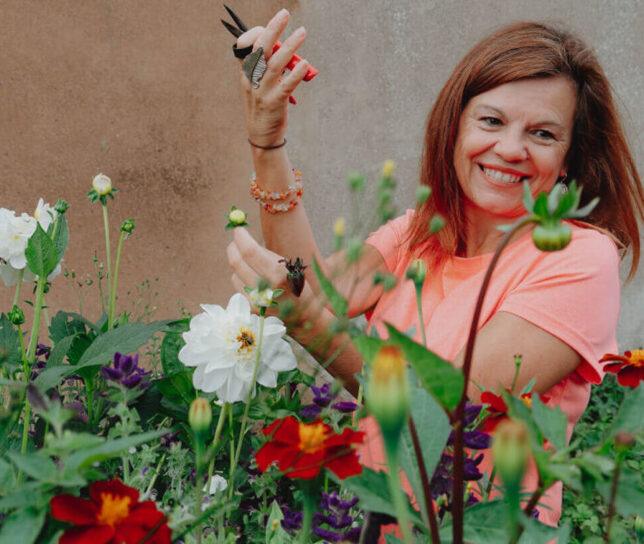
Updates from Avalon Farm
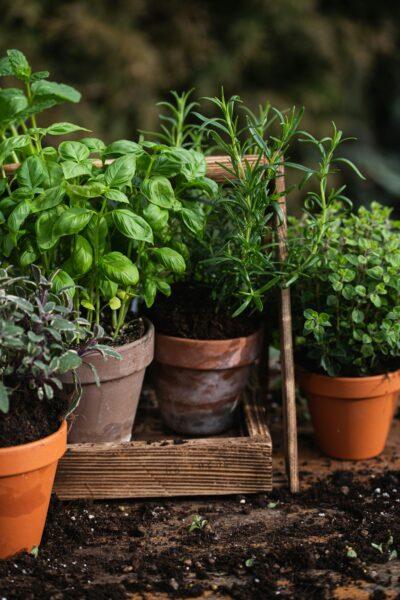
March is one of the most exciting times for gardeners as it officially kick starts the growing season. With the arrival of spring and the promise of warmer weather to come, it seems that there are endless jobs to be getting on with. Be prepared though, as along with warmer weather there is still the chance of hard frosts and even late snow, so make sure you have some garden fleece ready to cover anything that might be vulnerable.
As well as sowing and growing, there are some essential foundation work you can do now that will really help your garden thrive throughout the seasons.
The secret to healthy plants is healthy soil and the best way to ensure that is to feed the soil by mulching rather than feeding the plants with synthetic fertilisers.
What is mulching ? Basically, this is covering bare soil with a layer of organic material such as well rotted manure, garden compost, bark chips and soil conditioner such as Durstons Soil Conditioner
Mulching helps to:
Before mulching, weed the area first and especially try to dig out the roots of perennial weeds like ground elder and bindweed, then lay down a thick layer of your chosen mulch over moist soil, ideally 3 inches deep to suppress weeds. If you’re mulching around established plants make sure it does not touch the stems as it can rot them, aim for a donut around the stems rather than a volcano!
If you are a ‘No Dig’ gardener, then lay thick cardboard down first to suppress weeds, wet it, then add the mulch over the cardboard.
March is often your last chance to prune many shrubs, including roses and apple and pear trees. This is because you need to prune these plants before they start too much growth as once sap starts rising, then its too damage them and also you run the risk of cutting off the flowering shoots.
Roses benefit from a hard prune, concentrating on cutting out the 3 Ds which stand for dead, diseased and damaged.
Once you’ve done that, then aim for taking out 2/3rds of growth and try to open up the canopy to allow airflow, think of a goblet shape. With climbing roses, now is a great time to work out where you want it to grow and cut accordingly, aiming to cut just above an outward facing bud.
If you’re growing roses in pots, now is a great time to re-pot them, using a good peat free compost such as Durstons Rose, Tree and Shrub compost.
Try not to hard prune your fruit trees as this just encourages lots of non-flowering, thin spindly shoots known as water shoots. Take out the 3D’s and tip prune and then prune a bit harder in the summer, but ideally if they are neglected then make a 3 year plan of pruning.
Leave your stone fruits such as plum and peaches alone until summer as they will be susceptible to disease if you early prune.
Hydrangeas – if you’ve been able to resist the temptation of cutting back your hydrangeas, now’s the time to do it but make sure you know which type you have as they require different methods.
Mopheads and lace caps need careful pruning as you risk cutting off the flowering stems, so just cut off the dead flowerheads down to a healthy pair of buds.
Paniculata types such as ‘Limelight ‘(my favourite) and ‘Vanilla Fraise’ and the arborescens type like ‘Annabelle’ benefit from a much harder prune and I cut right back almost to the base, making sure I prune just above a pair of healthy buds.
The buds on all hydrangeas are symmetrical so don’t do a slanting cut, just go straight across.
After pruning anything, I always mulch if in a bed or border or repot and feed if in a container – if too big to re-pot then I just replace the top inches with fresh compost and feed with a granular fertiliser.
It’s so easy to get carried away with seed sowing, and pretty soon your windowsills, tables and shelves will be bursting with struggling seedlings!
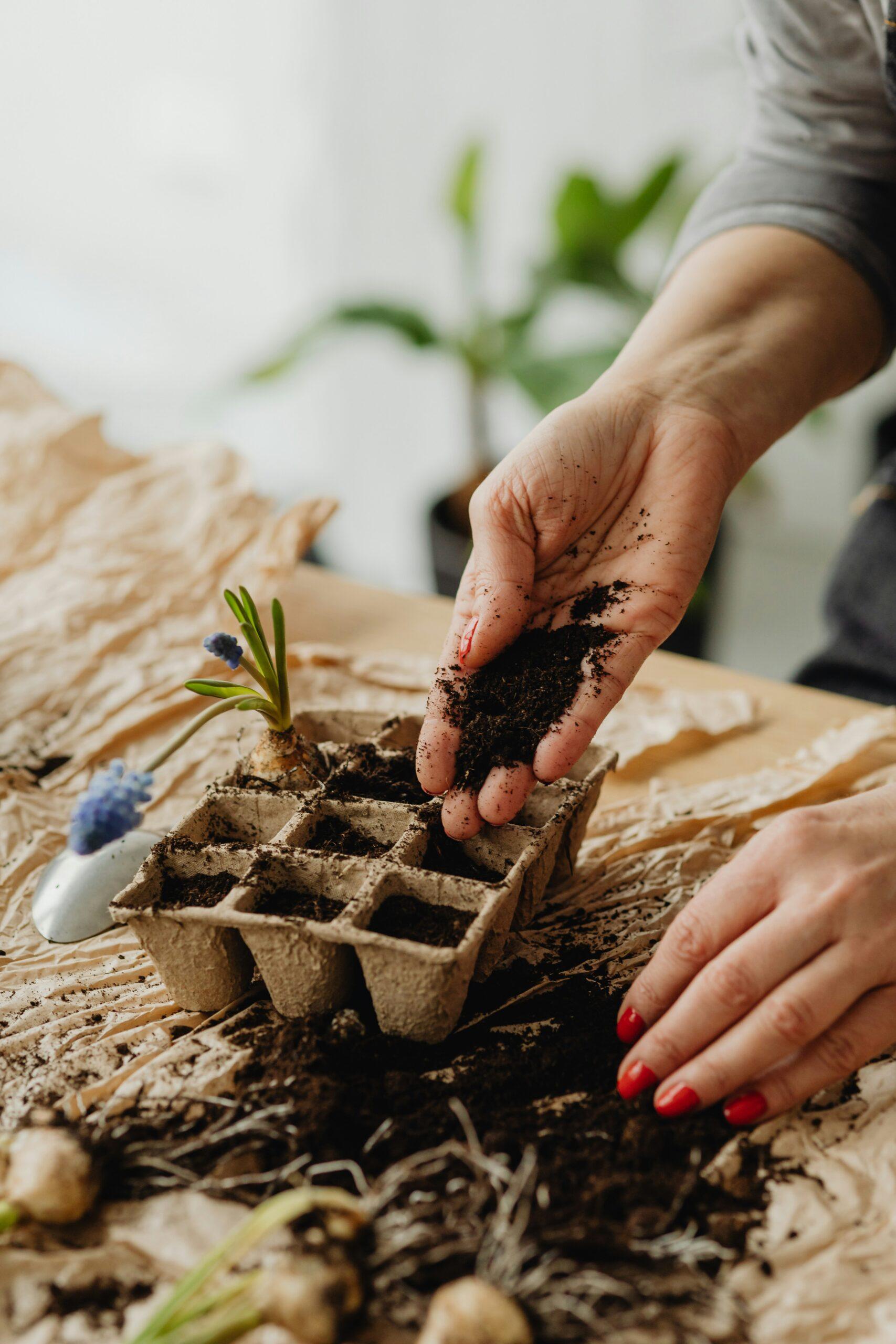
Plan what you want to grow and eat and sow accordingly – will you really need 100 tomatoes, 200 chillis?
Heat might be needed to help germinate, but good all round light is vital as soon as they do. Windowsills can cause stretched and leggy seedlings so really think about where they can go once germinated. I line a 3 sided cardboard box with kitchen foil to increase the light levels and use clear storage boxes with holes in them for hardier seeds that I can grow outside and just have some garden fleece on hand for frosty nights.
For sowing tiny seeds like tomatoes, chillies and snapdragons, I always use a peat free seed and cutting compost like Durstons Seed and Cutting compost but for larger seeds like courgettes and sweet peas, I use a peat free multi-purpose compost but always sieve it first.
March is also the time to think about sowing some hardier seed directly outside. If it’s been a bit chilly, I’ll warm up the soil first by pegging down some garden fleece for 10 days before sowing. This will really help with germination. If it stays cold then I just cover the sown rows with the fleece till it warms up. Seeds to sow outdoors now include:
Beetroot, spring onions, carrots, radish, broad beans, sweet peas and chard.
Later on in the month I’ll also start sowing outside calendula, cornflowers, poppies and nigella.
Whatever you do in the garden in March, take time to stop and stare, to listen and to enjoy just being in your own green oasis.
Peat- Free Expert Kate Turner aka The Garden Guru shares gardening tips for February…
Our Peat-Free Expert, Kate the Garden Guru shares top tips for gardening…
Peat- Free Expert Kate Turner aka The Garden Guru shares gardening tips for July…